





Boosting Your Breakfast: Why Your Oatmeal Needs More Protein
Many people view oatmeal as a simple, healthy breakfast staple, but it often falls short of being a complete nutritional powerhouse. If you are preparing your morning bowl with just water and oats, you are likely missing out on a critical macronutrient: protein.
The Importance of a Balanced Bowl
To build a truly satiating meal, nutrition experts like Snyder emphasize the “trio” approach: combining high-quality complex carbs, fiber-rich produce, and a solid serving of protein. While oats provide the necessary carbohydrates and fruit adds vitamins and antioxidants, a standard cup of water-cooked oats contains only about 5 grams of protein.
This is significantly lower than the 15 to 20 grams of protein recommended for breakfast. Prioritizing this range is essential for several physiological reasons:
* Enhanced Satiety: Higher protein intake keeps you feeling full longer, preventing mid-morning snacking.
* Metabolic Support: Protein has a higher thermic effect than fats or carbs, meaning your body burns more energy digesting it.
* Blood Sugar Regulation: Adding protein helps blunt the glucose spike that can occur when eating carbohydrate-heavy meals, leading to more stable energy levels throughout the day.
Simple Strategies to Increase Your Protein Intake
If you want to transform your oatmeal from a light snack into a muscle-supporting, metabolism-boosting meal, consider these easy modifications:
- Upgrade Your Liquid Base: Instead of using water, cook your oats in dairy milk, soy milk, or a pea-protein-fortified plant milk to instantly add 8 to 10 grams of protein.
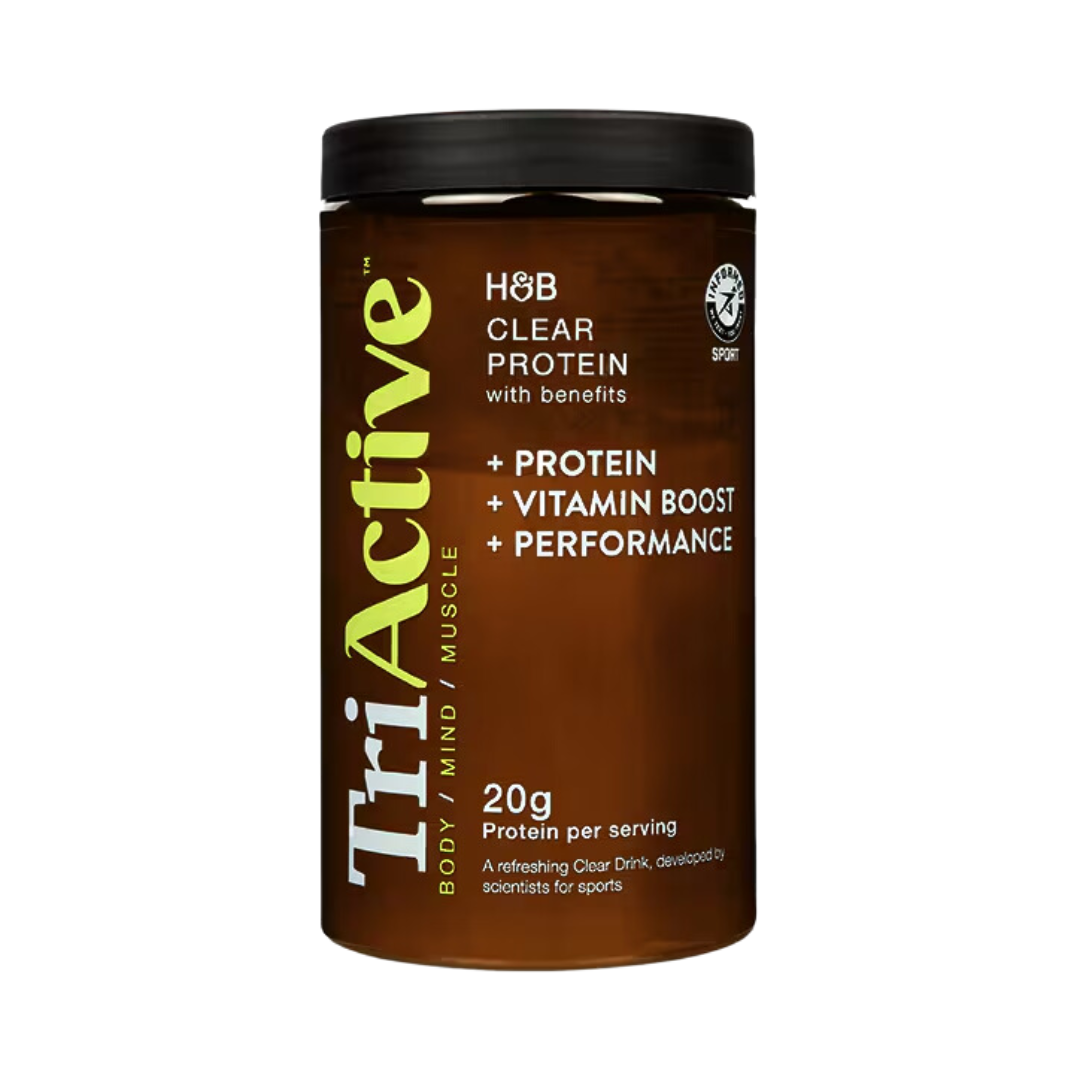
- Incorporate Supplements: Stirring in a scoop of your favorite protein powder is one of the most efficient ways to hit your target numbers.
- Add Healthy Fats and Texture: Incorporating nuts, creamy nut butters, or nutrient-dense seeds-such as chia, hemp, or flax-not only boosts the protein content but also provides essential omega-3 fatty acids.
By making these small, intentional adjustments, you ensure your breakfast works as hard as you do, supporting muscle maintenance and sustained energy levels until lunch.