





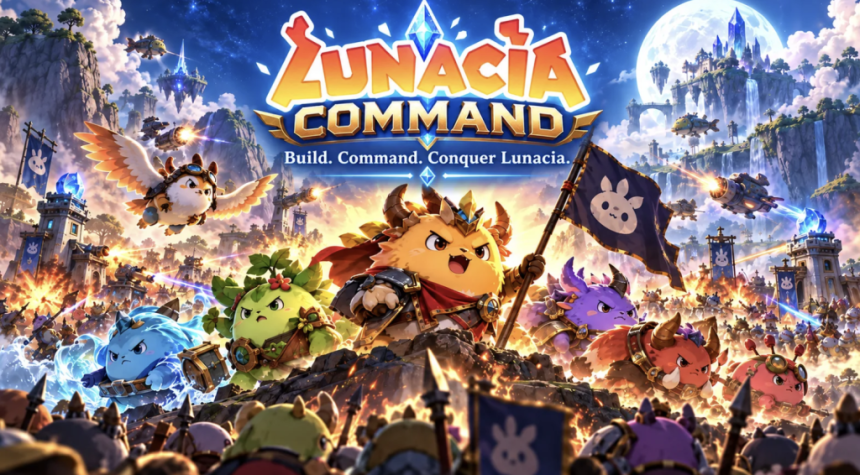
The Axie Vibeathon: A New Wave of AI-Driven Gaming Innovation
The inaugural AI-focused hackathon hosted by Sky Mavis, known as the Axie Vibeathon, has officially concluded its submission phase. This event served as a sandbox for developers to push the boundaries of the Axie ecosystem using artificial intelligence, drawing significant interest from the Web3 development community.
From Concept to Playable Reality
The event saw a robust turnout, with 402 developers signing up to participate. This surge of creativity culminated in the delivery of 90 distinct, playable titles. For those eager to explore these experimental projects, the full catalog is currently accessible through the official Vibeathon Game Hub.
While the competitive phase has ended, the evaluation period is still underway. Organizers are expected to shortlist up to eight standout projects in the coming days. These finalists will be granted access to further development resources and extended timelines to refine their prototypes, signaling Sky Mavis’ commitment to long-term project incubation.
Scoring Criteria: Prioritizing Axie DNA
The judging rubric provides a clear window into what the organizers value most in this new generation of games. Rather than focusing solely on traditional mechanics, the scoring heavily favors the integration of “Axie Core”-the specific class and six-part body composition of each NFT.
* Axie Core Integration (35%): This is the primary metric, emphasizing how deeply the unique traits of an Axie influence the experience.
* Gameplay Mechanics (25%): While secondary to the core integration, this remains a critical pillar for engagement.
The data suggests developers are taking this directive seriously; nearly 43% of the submissions (38 games) have successfully mapped Axie DNA directly into their core game loops, creating a tangible link between asset rarity and player agency.
Genre Trends and Future Outlook
Despite the creative freedom afforded by the hackathon, the shadow of the original Axie Infinity remains prominent. A significant portion of the submissions lean into card-based battle mechanics, reflecting the genre’s established success within the ecosystem. However, the infusion of AI tools has allowed for more dynamic, procedural elements that differentiate these new titles from their predecessors.
As the industry continues to evolve, the success of this hackathon highlights a shift toward “asset-first” development, where the underlying data of an NFT dictates the rules of the game world.