


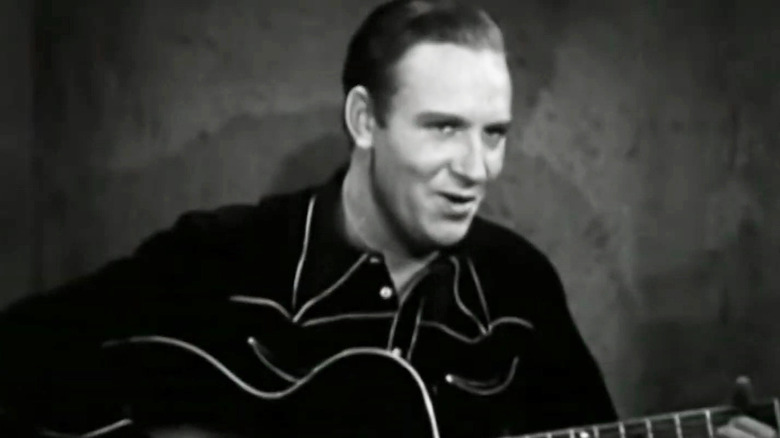
Republic Pictures
Rediscovering the Singing Cowboy: Why Gene Autry Still Matters
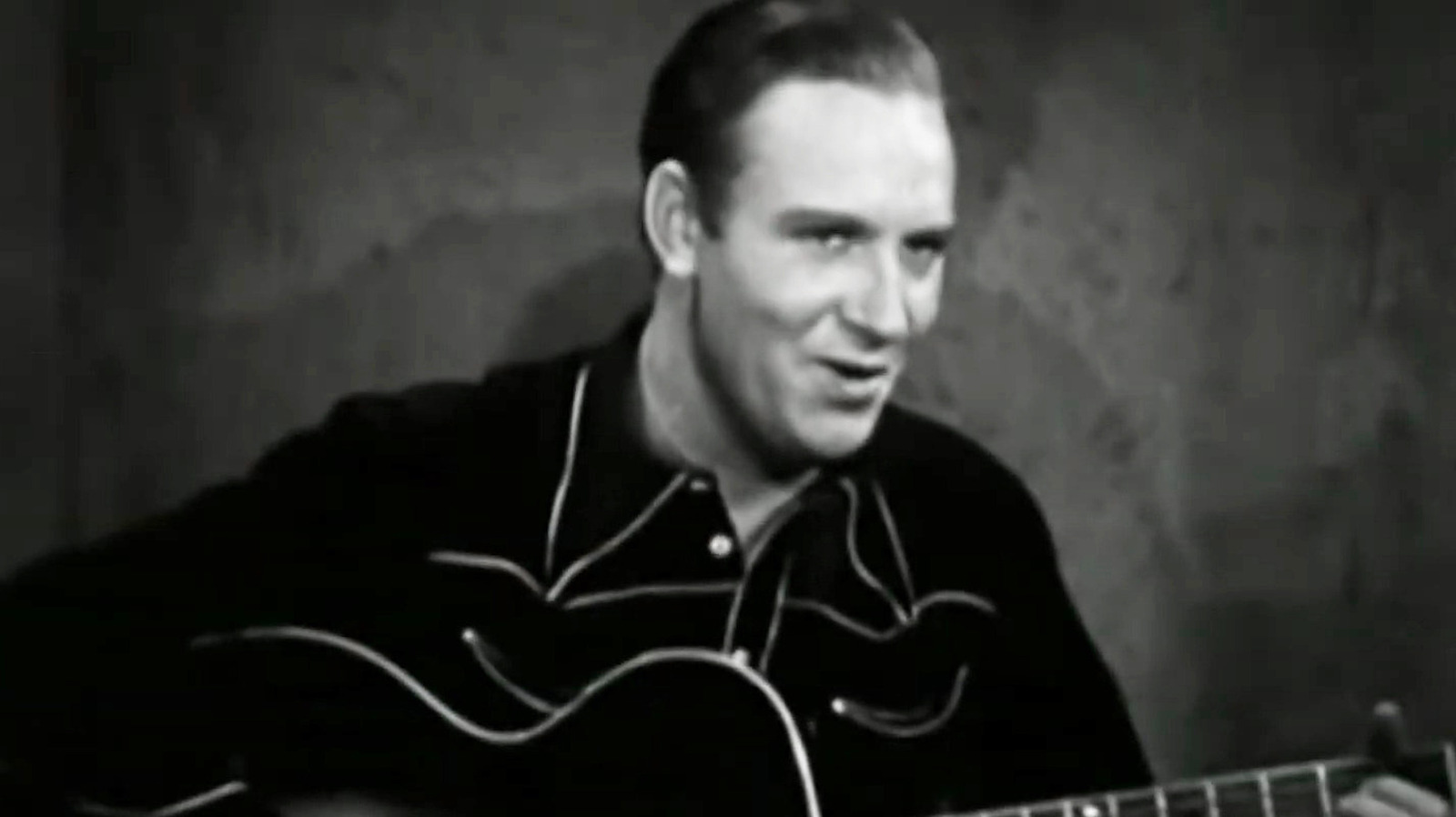
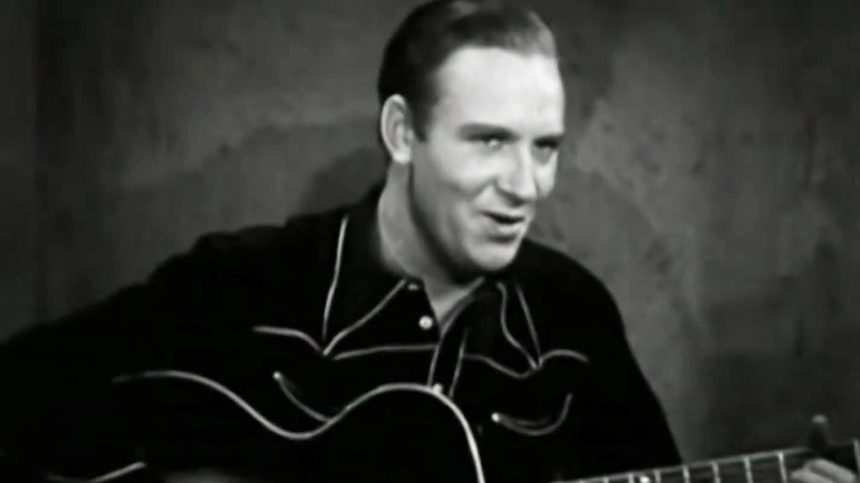
While modern audiences might associate the Western genre with gritty, high-stakes dramas, the 1930s were defined by a much more melodic archetype: the “Singing Cowboy.” At the center of this cultural phenomenon was Gene Autry. If his name doesn’t immediately ring a bell, a quick conversation with your grandparents will likely reveal his massive influence. For those who prefer to see the legend in action, his 1936 classic, Oh, Susanna!, is currently available for streaming on Prime Video.
From Radio Waves to Silver Screen Stardom
Autry’s rise to fame was meteoric. By the mid-1930s, he had successfully transitioned from a beloved radio personality to a bona fide movie star. His appeal was rooted in his approachable, soft-spoken vocal style and his ability to blend musical performance with traditional Western tropes. Unlike the rugged, silent gunslingers of later decades, Autry cultivated a persona that felt like a neighborly folk hero-talented, kind-hearted, and deeply comforting to Depression-era audiences.
His impact on pop culture was undeniable. According to historical box office data from the era, Autry consistently ranked among the top ten most popular stars in America, a testament to his ability to draw families into theaters during a time when cinema was the primary form of escapism.
The Origins of a Cinematic Icon
Before he became the face of Republic Pictures, Autry’s cinematic debut occurred in the 1934 production In Old Santa Fe. While the film was primarily designed to showcase the established star Ken Maynard, it provided the perfect stage for Autry to introduce his musical talents to a wider audience. A standout moment from that film-his performance of “Wyoming Waltz,” backed by the accordion stylings of Smiley Burnett-laid the groundwork for the musical Western formula that would define his career for years to come.
Today, watching these early films offers more than just nostalgia; it provides a window into the evolution of American entertainment. Autry didn’t just act in movies; he established a brand of wholesome, musical storytelling that paved the way for the crossover stars we see in the industry today.