



Last Updated: Oct 1, 2026 4:48pm UTC
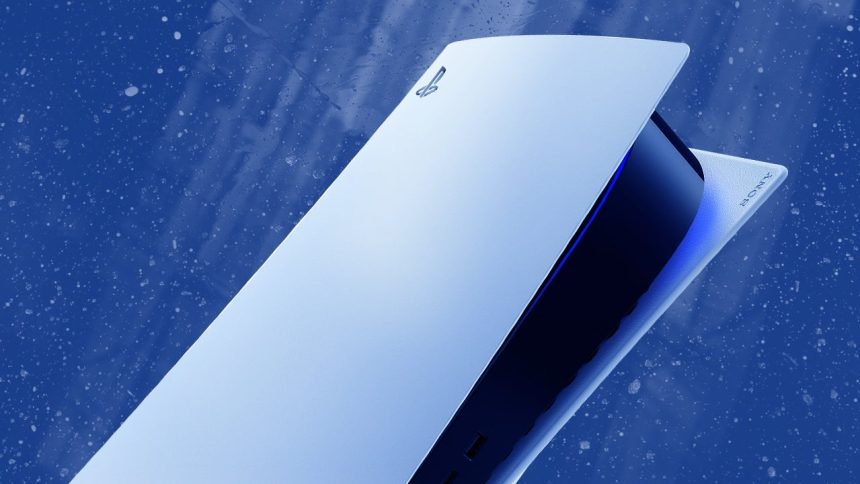
Bridging the Visual Gap: Sony Introduces QSSR for Standard PS5
For years, AI-driven upscaling has served as the backbone of high-end gaming performance, allowing developers to push graphical fidelity without sacrificing frame rates. While the PlayStation 5 Pro made headlines with its proprietary PSSR (PlayStation Spectral Super Resolution) technology, owners of the standard PS5 console were initially sidelined due to hardware limitations. That disparity is now officially a thing of the past thanks to the introduction of Quick Spectral Super Resolution (QSSR).
The Evolution of Project Amethyst
Sony recently unveiled QSSR via an official technical blog, positioning it as a streamlined sibling to the Pro-exclusive PSSR. Both technologies share a common lineage, stemming from “Project Amethyst”-a strategic partnership between Sony and AMD that began in 2025. By leveraging this collaborative research, Sony has successfully ported the core benefits of AI-assisted reconstruction to the base PS5 architecture.
Performance vs. Precision: What to Expect
It is important to manage expectations regarding the technical overhead of this new feature. Because QSSR is designed to be significantly more lightweight than its Pro-tier counterpart, it does not aim to replicate the exact level of granular detail found on the PS5 Pro. However, it represents a massive leap forward compared to the traditional temporal upscaling methods that have been the industry standard for years.
Think of it as the difference between a high-end DSLR camera and a sophisticated smartphone lens; while the Pro model offers professional-grade precision, QSSR provides a remarkably sharp, stable image that effectively eliminates the “shimmering” or ghosting artifacts often seen in older upscaling techniques. By utilizing machine learning to fill in the gaps of lower-resolution renders, QSSR ensures that base PS5 users can enjoy a cleaner, more cohesive visual experience.
Early Adoption in AAA Titles
The rollout of QSSR begins with two of the most anticipated titles in the PlayStation ecosystem: Marvel’s Wolverine and Ghost of Yotei. Developers are already praising the integration, noting that the technology allows for more complex environmental rendering without the typical performance tax.
Mike Fitzgerald, Head of Technology at Insomniac Games, highlighted the impact of the new model, noting that “QSSR adds more pixel-level clarity and stability to our environments.” As developers continue to optimize for this tool, we can expect a broader range of titles to adopt this standard, effectively extending the lifecycle and visual relevance of the base PS5 hardware well into the future.


![[Event Review / Photography] Tinlicker Mesmerizes in Chicago to Commence North America Tour](https://www.mixtv1.com/wp-content/uploads/2026/10/37302-attachment.jpg)