




Legislative Push to Curb Federal Surveillance: The Ban Flock Act
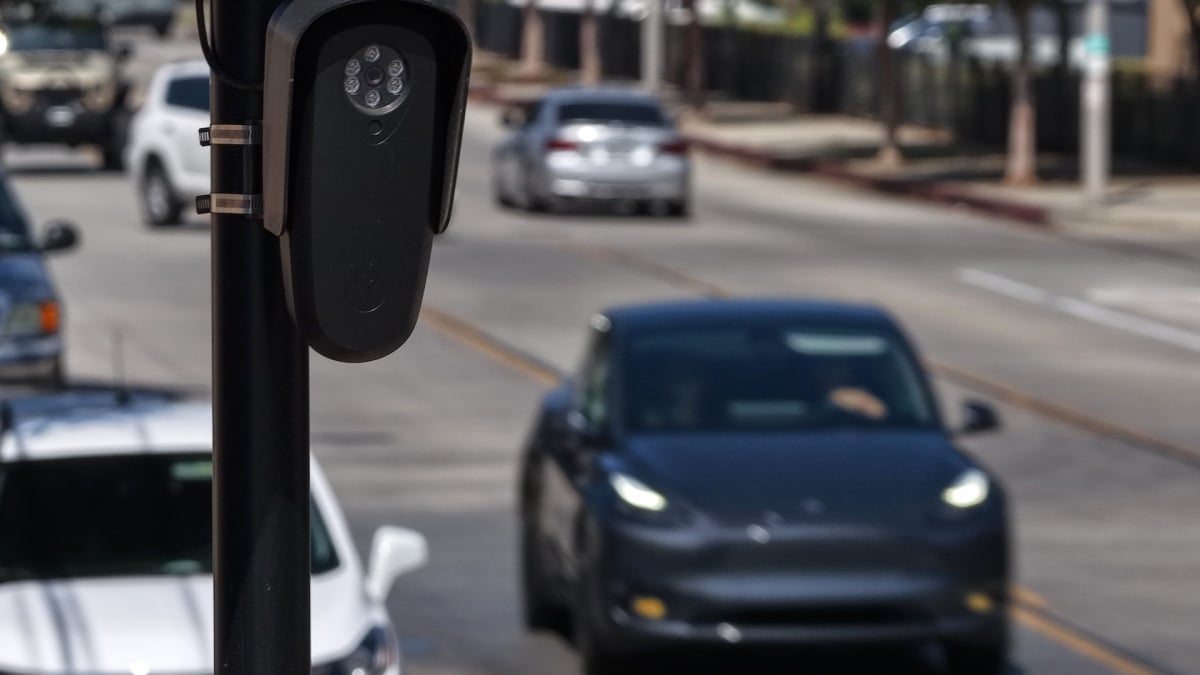
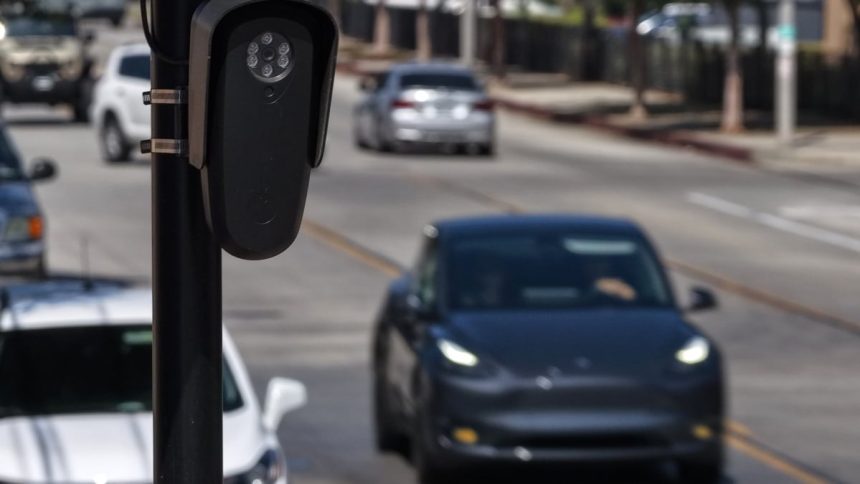
Senator Bernie Sanders has launched a legislative offensive aimed at restricting the federal government’s reliance on automated license plate recognition (ALPR) systems, specifically targeting companies like Flock Safety. These surveillance tools utilize high-definition cameras to captures and processes license plates and vehicle metadata, creating a digital trail often accessed by police departments.
The Mechanics of the Proposed Legislation
Formally introduced this past Friday, The Ban Flock Act seeks to fundamentally alter how federal agencies interact with mass surveillance technology. The bill proposes a two-pronged approach:
- A total prohibition on the use of ALPR technology by federal entities.
- A financial deterrent for state and local jurisdictions, effectively cutting off federal grants and funding for any municipality that continues to deploy these tracking systems.
Broadening the Coalition
The initiative has gained significant traction within the progressive wing of the Democratic Party. Sanders is joined in this effort by co-sponsors Representative Alexandria Ocasio-Cortez (D-N.Y.) and Senator Jeff Merkley (D-Ore.), signaling a unified front against what they characterize as an invasive expansion of the surveillance state.
Privacy Concerns in the Age of AI
The debate surrounding ALPRs is intensifying as the technology becomes more pervasive. Recent industry reports suggest that thousands of these cameras are now active across the United States, often operating in residential neighborhoods without explicit public approval.
In a formal statement, Senator Sanders highlighted the intersection of artificial intelligence and civil liberties, noting, “At a time of growing concern about the unchecked power of artificial intelligence, Flock is eviscerating the very notion of privacy by installing tens of thousands of cameras in communities across America without their consent.”
Critics of the technology argue that the constant monitoring of vehicle movements creates a “panopticon effect,” where citizens feel perpetually watched, potentially chilling free movement and association. As AI-driven analytics become more sophisticated, the ability to aggregate this data into comprehensive behavioral profiles has become a primary concern for privacy advocates, who argue that current regulations have failed to keep pace with the rapid deployment of these private-sector surveillance networks.