




The Rise of a Media Titan: Skydance’s Massive Consolidation
The landscape of global entertainment is on the brink of a seismic shift. David Ellison, supported by the immense financial backing of his father, Larry Ellison, is finalizing a monumental $110 billion acquisition that will unite two of Hollywood’s most storied institutions: Warner Bros. and Paramount. Under this new corporate structure, these legendary studios-home to iconic franchises like Harry Potter, The Lord of the Rings, and Game of Thrones-will operate as specialized sub-brands under the umbrella of the newly formed Skydance media empire.
Navigating a Complex Path to Merger
The road to this consolidation has been anything but smooth. The initiative follows a hostile bid for WB last year, a move that signaled the aggressive intent behind the Ellison family’s strategy. Throughout the process, the deal faced significant scrutiny, with various regulatory blocks that have attempted to scupper the deal across both domestic and international markets.
Critics and industry analysts have voiced valid concerns regarding the implications of such a massive merger. The primary anxieties center on:
* Workforce Reductions: The inevitable corporate streamlining is expected to result in thousands of layoffs as redundant departments are merged.
* Concentration of Power: The Ellison family will effectively command a staggering portion of the entertainment industry, raising questions about market competition.
* Editorial Independence: There is significant apprehension regarding the future autonomy of major news outlets, most notably CNN, under the new ownership structure.
A New Identity for a Media Giant
Despite the initial pushback, the tide of opposition has largely receded. With the finalization of the merger now appearing inevitable, David Ellison has officially announced that the parent company will operate under the “Skydance” banner. While the corporate identity is shifting, the company intends to preserve the historical prestige of the Warner Bros. and Paramount names, utilizing them as distinct labels for their respective content divisions.
Showcasing the Future of Content
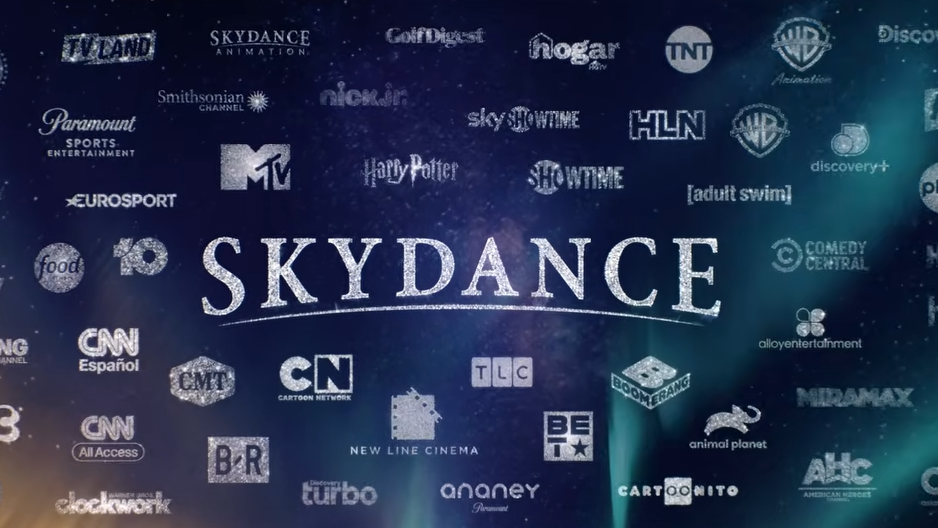
To signal the dawn of this new era, Skydance has unveiled a high-production trailer that highlights the sheer scale of the intellectual property now under its control. By leveraging the combined libraries of these studios, the company aims to dominate the streaming and theatrical markets. This consolidation mirrors the broader industry trend of “mega-mergers,” similar to the Disney-Fox acquisition, which fundamentally altered the competitive dynamics of Hollywood. As the industry watches, Skydance is positioning itself not just as a studio, but as the primary architect of modern pop culture.