

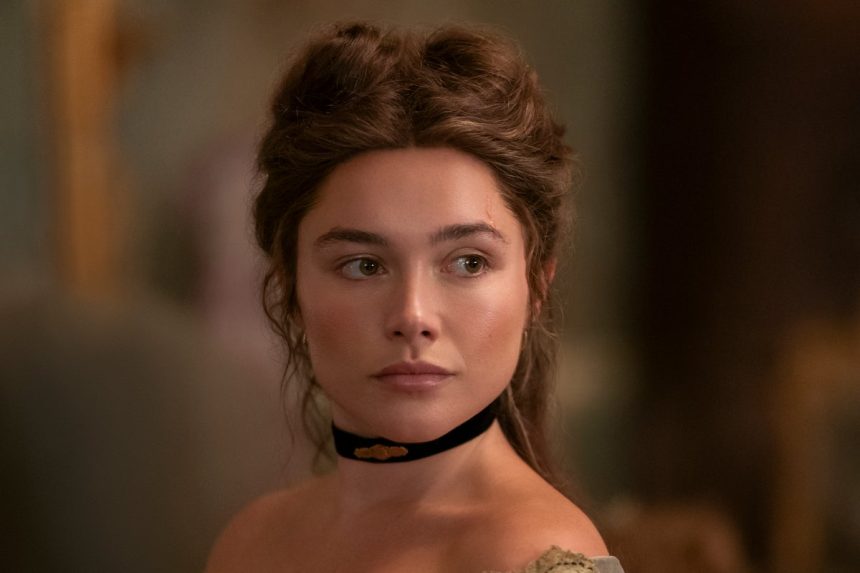
A Fresh Vision: Reimagining Steinbeck’s East of Eden for the Streaming Era
John Steinbeck’s magnum opus, a sprawling narrative that chronicles the intertwined destinies of families across generations in the heart of rural California, has officially made its transition to the small screen. The literary classic, widely considered John Steinbeck’s most daring work, is now the subject of a sprawling seven-part Netflix adaptation.
From Silver Screen to Streaming Giant
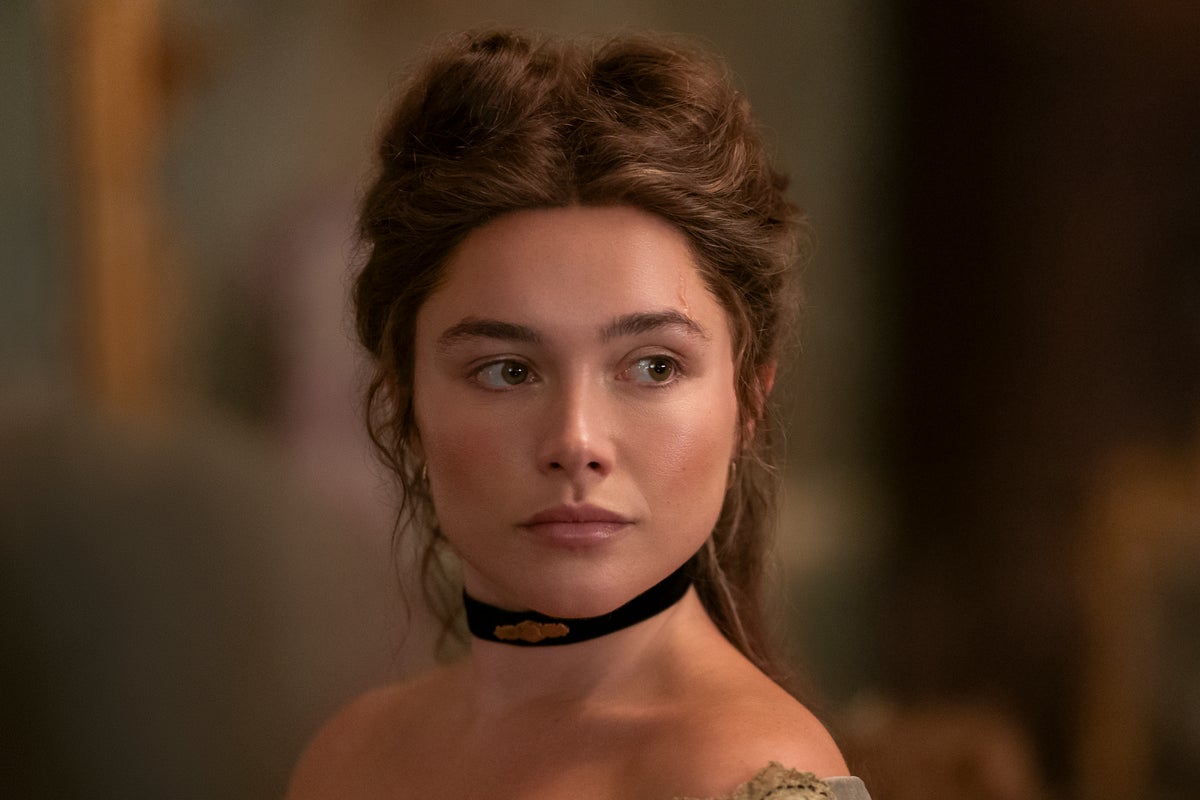
Prior to the arrival of this Netflix production on October 1, the definitive visual interpretation of the novel remained Elia Kazan’s iconic 1955 feature film. Decades later, the legacy continues through a new lens: the director’s own granddaughter, Zoe Kazan. Serving as both writer and producer, she has spearheaded this ambitious mini-series starring Florence Pugh, breathing new life into a story that has captivated readers for generations.
Zoe Kazan’s Distinctive Narrative Strategy
While the project honors the creative lineage of her grandfather, Zoe Kazan is intentionally charting a unique path. In a recent interview with Netflix’s Tudum, she highlighted the limitations of previous attempts to capture the novel’s scope. She noted that the 1955 film, while legendary, only touched upon a fraction of the source material and took significant creative liberties. By contrast, this new series aims to honor the full breadth of Steinbeck’s vision, providing the necessary space to deeply examine the motivations and emotional arcs of the entire ensemble cast.
Expanding the Scope: The Trask and Hamilton Legacy
The 2026 iteration of East of Eden distinguishes itself by prioritizing the complex, often dark trajectory of Cathy Ames. By dedicating more screen time to her character’s evolution, the series provides a richer context for her influence on the Trask and Hamilton lineages. This expanded format allows for a more nuanced portrayal of the generational trauma and moral ambiguity that define Steinbeck’s writing. The production features a powerhouse cast, including Mike Faist, who brings a modern intensity to the unfolding drama.
As audiences continue to gravitate toward “prestige television”-a format that has seen a 15% increase in literary adaptations over the last five years-this series stands as a testament to the enduring power of Steinbeck’s prose in a digital-first world.