




Bitchat Pulled from Indian App Stores Following Government Mandate
The decentralized communication platform Bitchat, championed by Jack Dorsey for its ability to facilitate messaging without traditional internet connectivity, has been scrubbed from both the Apple App Store and Google Play Store within India. This development follows a months-long campaign by New Delhi to curb the reach of the open-source application.
Regulatory Pressure and Section 69A Enforcement
Jack Dorsey confirmed the removal on Saturday, sharing a formal notification from Apple on X (formerly Twitter). The document reveals that the Indian Ministry of Electronics and Information Technology invoked Section 69A of the Information Technology Act to force the removal. This specific legal framework serves as the government’s primary tool for mandating the blocking of online content deemed a threat to national sovereignty or public order.
While the app has been purged from the Indian marketplace, Apple clarified that Bitchat remains fully operational in all other global regions. However, the crackdown extends beyond the standard App Store; the company has also restricted access to the app’s TestFlight beta-testing environment for users located in India.
Widespread Digital Blackout
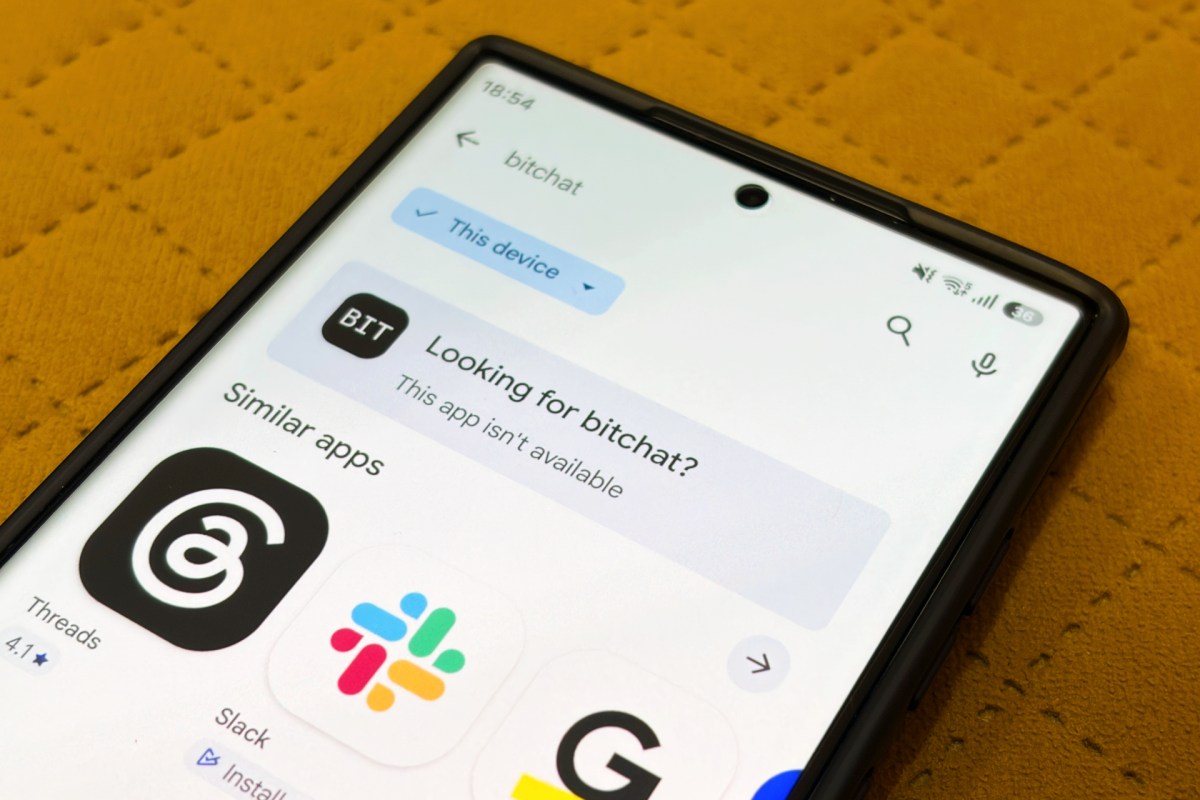
The removal appears to be comprehensive. Independent verification confirms that Bitchat is no longer discoverable on the Google Play Store for Indian users. Furthermore, the platform’s official website has been rendered unreachable across multiple major internet service providers (ISPs) in the country, suggesting a coordinated effort to sever the app’s infrastructure from the local web.
While the government’s directive to Apple was made public, it remains unconfirmed whether Google and various ISPs received identical formal orders, or if they acted preemptively to avoid regulatory friction. As of this writing, representatives from Apple, Google, and the Indian IT Ministry have declined to provide statements regarding the situation.
Contextualizing the Crackdown
Since its debut in July of last year, Bitchat has positioned itself as a resilient alternative to centralized messaging giants. By leveraging mesh networking technology, the app allows users to communicate in environments where traditional cellular or Wi-Fi infrastructure is compromised or heavily monitored. This capability has made it a focal point for authorities concerned with encrypted, decentralized communication channels that operate outside the purview of standard regulatory oversight.
The move mirrors a broader global trend where governments are increasingly utilizing legal statutes to exert control over digital platforms. According to recent data from digital rights organizations, India has consistently ranked among the top nations for government-ordered internet shutdowns and content removal requests, reflecting a tightening grip on the digital landscape.