





The Double-Edged Sword: Navigating the Generative AI Dilemma in Game Development
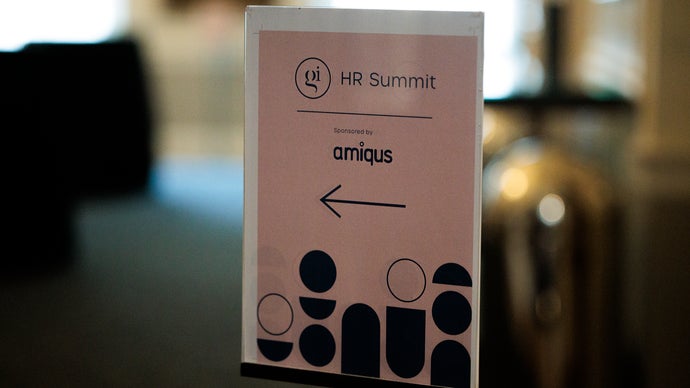
During the recent GamesIndustry.biz HR Summit held on October 1, a recurring theme dominated the discourse: the complex, often contradictory role of generative AI within the modern gaming studio. While the industry is currently enamored with the promise of automation, the reality on the ground suggests that the integration of these tools is far more nuanced-and problematic-than the initial hype suggested.
Beyond the Hype: The Reality of AI Integration
The consensus among industry professionals is that generative AI is not the “silver bullet” for productivity that tech evangelists claim. While there are undeniable pockets of efficiency-such as streamlining repetitive coding tasks or automating mundane administrative workflows-these gains are frequently offset by significant operational friction.
Rather than acting as a seamless force multiplier, AI is introducing a new layer of complexity. HR departments, in particular, are reporting an uptick in administrative burdens. For instance, the rise of AI-generated grievance letters has forced HR teams to spend more time parsing through machine-written complaints, which often lack the nuance of human communication, thereby complicating conflict resolution processes.
The Hidden Costs: Anxiety, Security, and Legal Risks
The integration of AI is not merely a technical challenge; it is a cultural one. The summit highlighted three primary areas of concern that are currently keeping leadership awake at night:
- Workforce Instability: The rapid adoption of AI has triggered widespread job insecurity. This anxiety can stifle creativity and lower morale, as employees fear their specialized skills are being devalued or replaced.
- Data Vulnerability: Protecting intellectual property is paramount in game development. The use of third-party AI tools poses a constant threat of data leaks, where sensitive proprietary information could inadvertently be ingested into public models.
- Legal and Ethical Hurdles: As the regulatory landscape for AI remains in flux, companies are struggling to establish clear policies that mitigate copyright risks and ensure ethical usage.
Maintaining Human Integrity in Development
Despite the pressure to adopt AI, many industry leaders are choosing a cautious path. Under the Chatham House Rule, one senior executive noted that their studio maintains a strict “human-first” policy, ensuring that no AI-generated assets or code make it into the final, shipped product. This approach prioritizes the integrity of the creative vision over the potential speed of automated generation.
As the industry matures, the focus is shifting from “how can we use AI” to “how can we use AI responsibly.” With recent reports indicating that AI adoption in creative sectors has led to a 20% increase in time spent on quality assurance and compliance, it is clear that the industry must balance innovation with rigorous oversight to avoid long-term pitfalls.