

Updated: Oct 2, 2026 7:14pm UTC
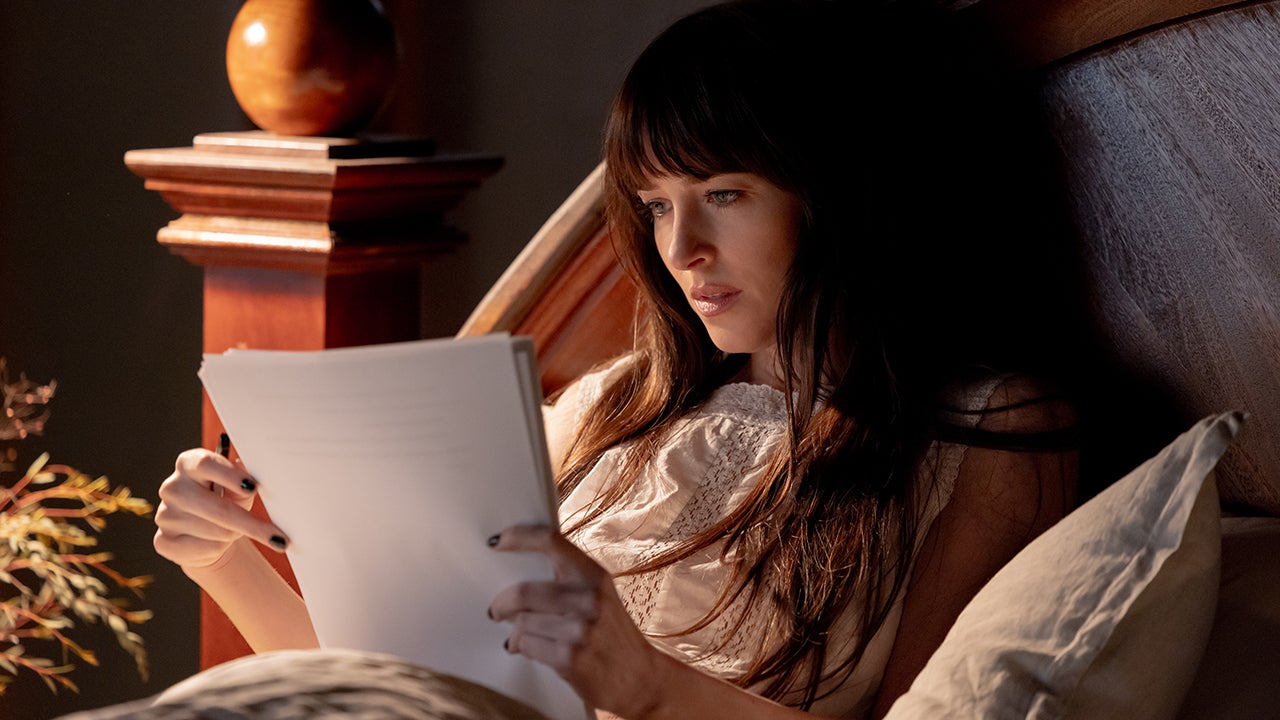
The cinematic adaptation of Verity has officially arrived in theaters.
The “Hoover Effect” on Modern Media
A widely discussed Guardian analysis once posited that Colleen Hoover’s meteoric rise to literary stardom is fueled by her ability to capture an audience that typically avoids traditional literature. By that logic, the recent wave of film adaptations based on her bibliography seems designed for viewers who find little joy in the nuances of high-concept cinema.
Having now screened the entire quartet of Hoover-inspired features-starting with 2024’s It Ends with Us, followed by 2025’s Regretting You, the recent Reminders of Him, and finally Verity-a clear pattern emerges. These films rarely strive to transcend the source material; instead, they mirror the simplistic, often uneven narrative structures of the novels. My personal experience with It Ends with Us-where the film’s shortcomings led me to regret reading the book-solidified my stance on avoiding the source material entirely after viewing the screen versions.
A Shift in Tone: Does Verity Break the Mold?
Entering the theater for Verity, there was a glimmer of optimism that this project might deviate from the established formula. Unlike the heavy-handed emotional melodrama that defined the previous three adaptations, Verity attempts a different entry point. The film kicks off with a jarring, high-speed meet-cute that feels disconnected from the gravity of the plot.
The narrative establishes the prestige of Anne Hathaway’s character, the celebrated novelist Verity Crawford, through a series of high-profile media appearances, including a cameo-heavy interview with Gayle King. This attempt to ground the story in a “prestige” reality highlights the ongoing struggle these adaptations face: trying to translate viral internet fame into a compelling, cohesive visual language that stands on its own merits.