


The Countdown to November: Assessing the Legislative Landscape for Crypto
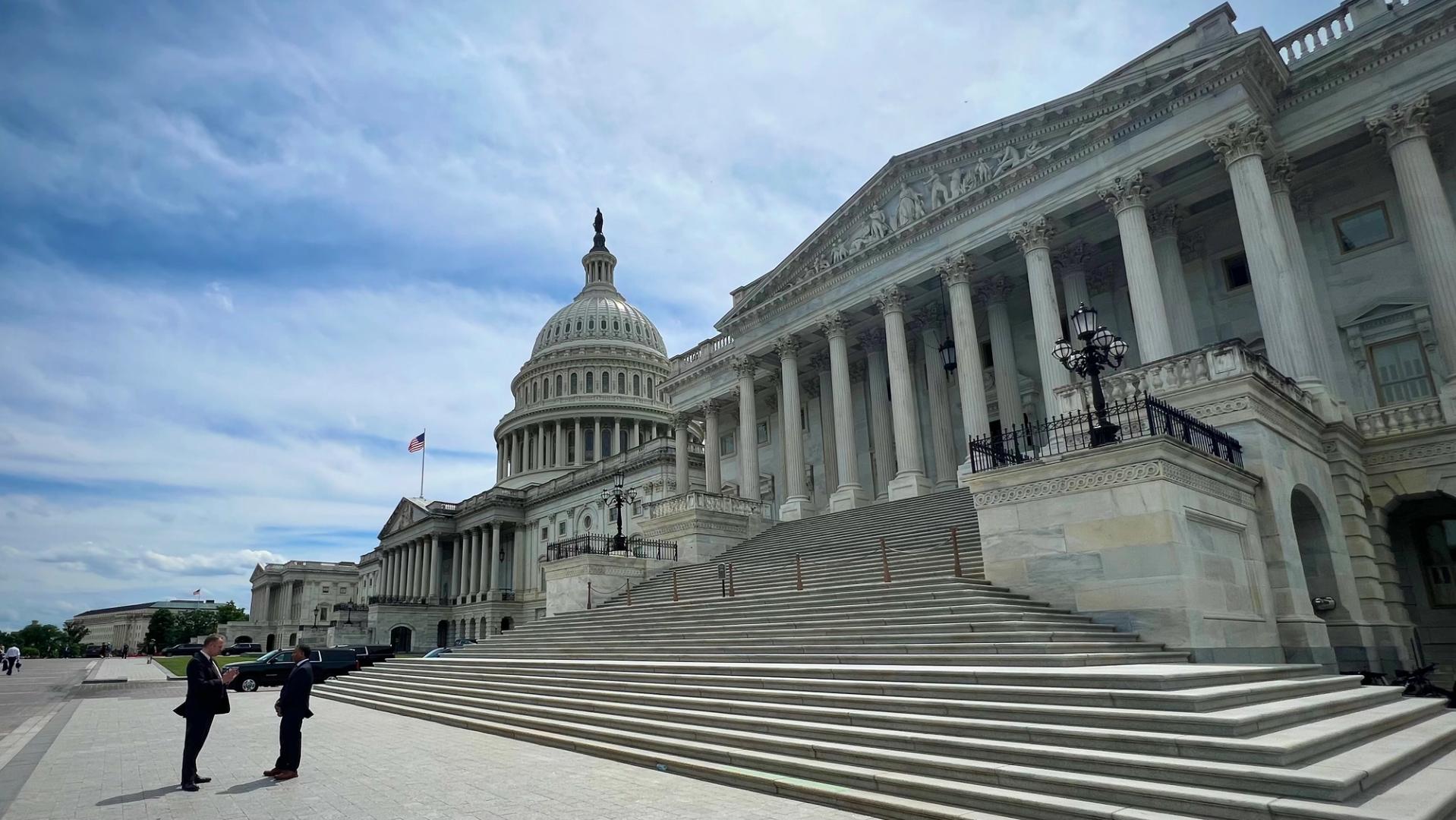
With lawmakers having departed Washington for the final recess before the upcoming polls, the political atmosphere is thick with anticipation. As we approach the November 3, 2026, midterm elections, the focus shifts toward how the shifting balance of power in Congress will dictate the trajectory of the digital asset sector in the coming year.
The Political Horizon: What the Data Suggests
As of October 2, 2026, the electoral map presents a compelling picture. Current polling data indicates a strong likelihood that the Democratic Party will secure a majority in the House of Representatives. Meanwhile, the battle for the Senate remains a statistical dead heat, leaving the upper chamber’s future control entirely up in the air.
These results are not merely political theater; they are the primary drivers of the future regulatory environment. Whether the legislative agenda leans toward aggressive oversight or innovation-friendly frameworks depends heavily on which party holds the gavel in each chamber.
Beyond the Clarity Act: The New Legislative Focus
While the industry is still reeling from the recent collapse of the Clarity Act, the legislative conversation is already evolving. The failure of that bill has not halted the momentum for policy reform; rather, it has forced a pivot in strategy.
Lawmakers are increasingly turning their attention toward the complexities of crypto taxation. As digital assets become more integrated into the broader financial ecosystem, the need for clear, codified tax guidance has moved from a peripheral concern to a central pillar of the congressional agenda. For instance, recent discussions suggest that upcoming sessions will prioritize defining cost-basis reporting for decentralized finance (DeFi) transactions-a move that could significantly impact how retail and institutional investors manage their portfolios.
Why the Midterms Matter for Digital Assets
The stakes for the crypto industry have never been higher. With the regulatory landscape currently defined by enforcement actions rather than clear statutes, the composition of the next Congress will determine if we see a shift toward comprehensive legislative clarity.
* House Dynamics: A shift in leadership could lead to new committee chairs who are more vocal about establishing a regulatory sandbox for blockchain startups.
* Senate Uncertainty: Given the current tossup, the Senate will likely remain the primary bottleneck for any major crypto-related legislation, making the individual races in key states critical for industry stakeholders to monitor.
As we sit 30 days out from Election Day, the industry must prepare for a period of transition. Regardless of the outcome, the legislative appetite for addressing crypto-specific tax and oversight issues is growing, ensuring that the intersection of technology and policy remains a top priority in the next session.
You’re reading State of Crypto, a CoinDesk newsletter looking at the intersection of cryptocurrency and government. Click here to sign up for future editions.