
![[Event Review / Photography] SOFI TUKKER Unleashes Their Animal Talk Tour In Chicago](https://www.mixtv1.com/wp-content/uploads/2026/10/38153-attachment.jpg)

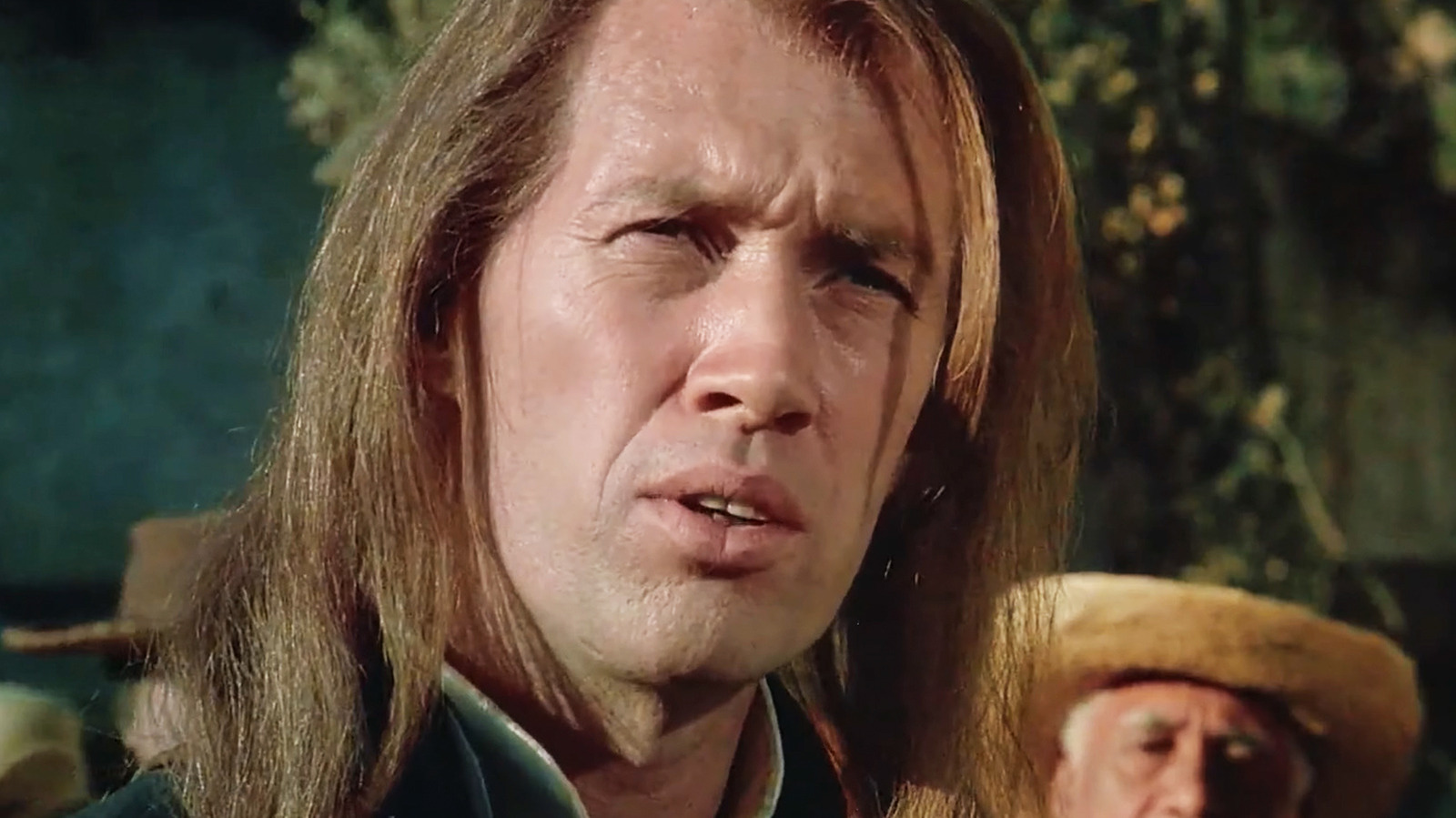

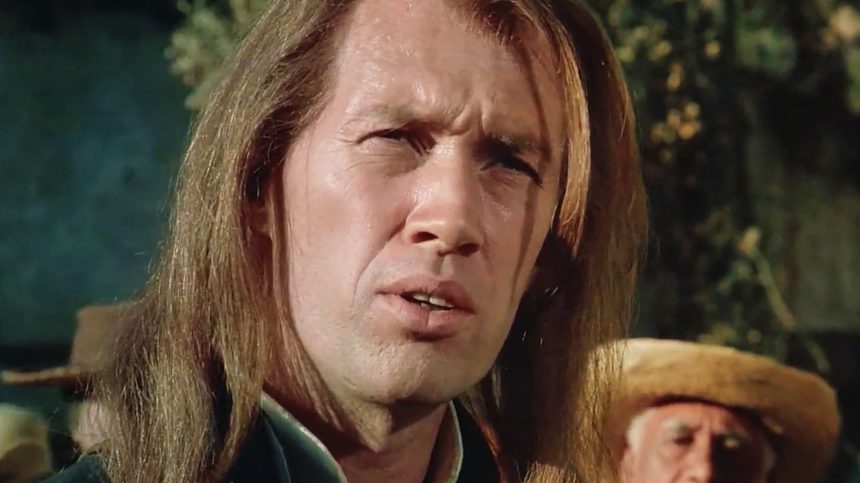
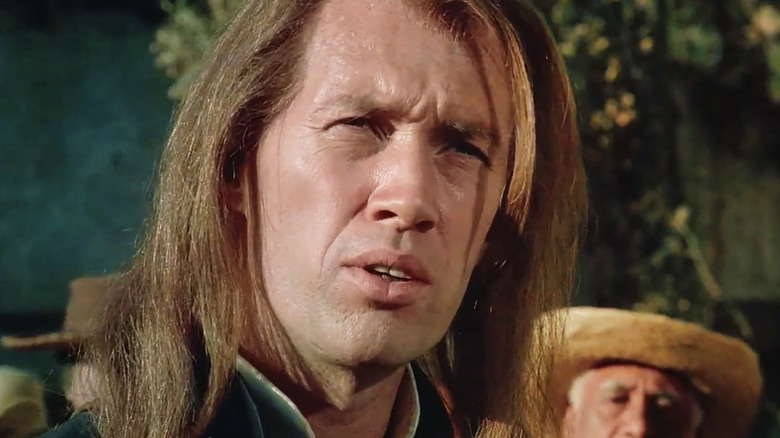
The Forgotten Frontier: Why the 1966 ‘Shane’ Series Demands a Second Look
Before David Carradine became an icon of martial arts television, he stepped into the boots of one of cinema’s most legendary gunslingers. In 1966, ABC launched a serialized adaptation of “Shane,” the quintessential tale of a nomadic drifter who finds himself defending a struggling homesteading family. While the 1953 feature film remains a towering achievement in Hollywood history, the television iteration has largely been relegated to the footnotes of genre television. Despite its premature cancellation after just one season, the series offers a compelling narrative depth that warrants a modern reappraisal among fans of classic Western TV shows.
Historical Roots: The Johnson County Conflict
At the heart of every “Shane” adaptation lies the brutal reality of the Johnson County War. Taking place in Wyoming during the late 19th century, this historical range war pitted small-scale settlers against powerful cattle barons who sought to monopolize the territory. This period of intense volatility served as a foundational myth for the American West, shaping the cultural consciousness for generations.
The impact of this conflict extends far beyond the “Shane” narrative. It has acted as a creative wellspring for countless Western dramatizations. For instance, the 1980 epic “Heaven’s Gate” famously explored the class tensions of the era, while the 2002 production “Johnson County War” offered a more direct dramatization of the hostilities. Beyond film, the conflict has been the subject of extensive historical research and literary works, such as Owen Wister’s seminal novel “The Virginian,” which helped codify the tropes of the genre. By grounding its story in these authentic historical tensions, the 1966 series provided a gritty, grounded perspective that arguably deserved a longer run in the competitive television landscape of the mid-60s.