



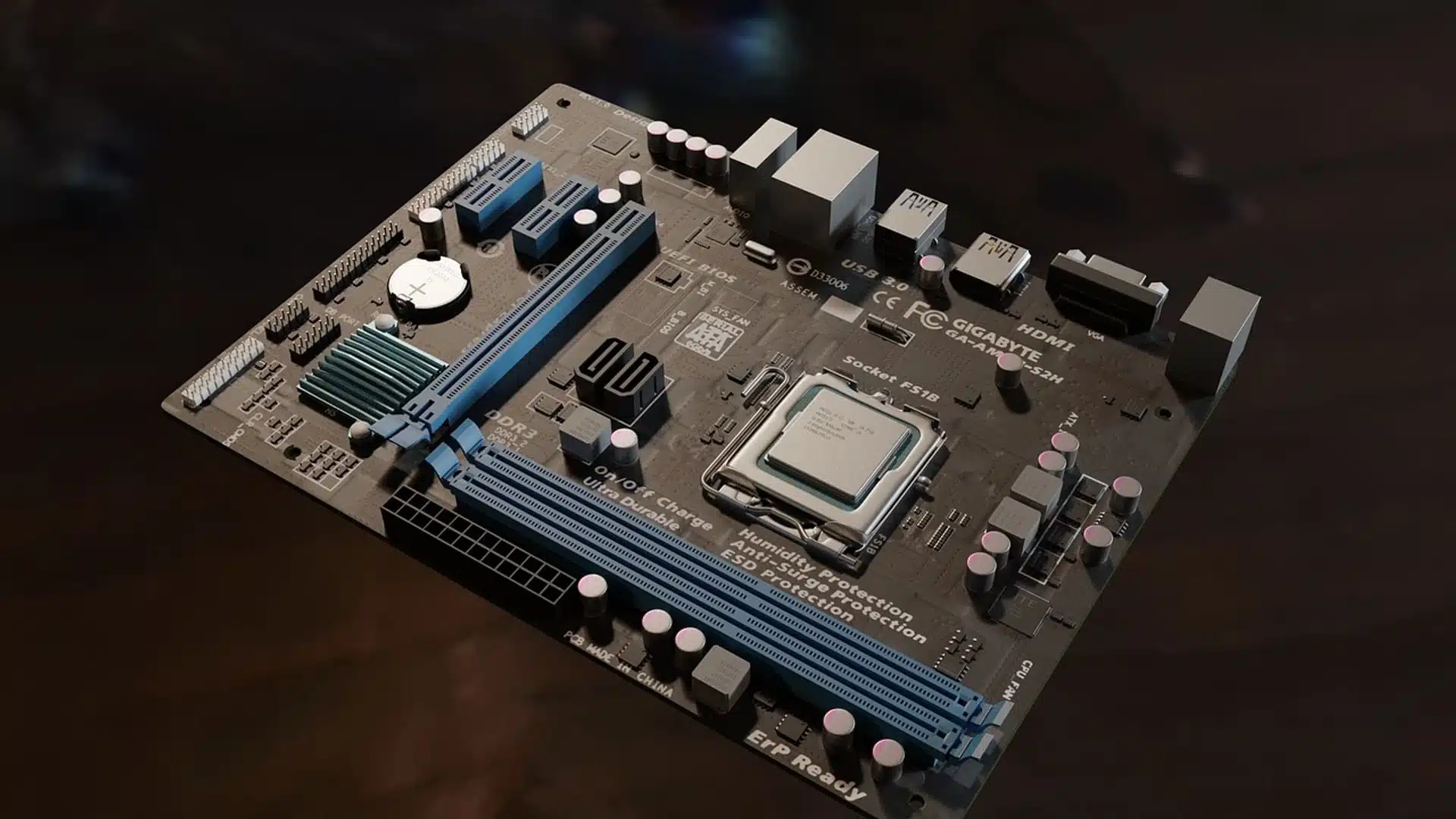


The Risks of Secondhand Hardware: How a Used CPU Triggered a VALORANT Ban
The secondhand PC component market has long been a go-to for gamers looking to boost performance without paying premium retail prices. However, a recent incident involving a German VALORANT player serves as a stark warning: buying used hardware could potentially lead to a permanent account ban if that component carries a “digital criminal record.”
Hardware-Linked Bans and the Vanguard Factor
According to reports initially covered by Kotaku, a player found themselves locked out of VALORANT immediately after upgrading their system with a pre-owned AMD Ryzen 7 5800X3D. The issue stems from Riot Games’ proprietary anti-cheat software, Vanguard. Unlike traditional anti-cheat systems that focus primarily on software signatures, Vanguard is known for its deep-level integration, which includes hardware-level identification.
In this specific case, the player claims that the processor they purchased from the German marketplace Kleinanzeigen was already blacklisted by Riot’s servers. While hardware bans (HWID bans) are a standard industry practice to deter repeat offenders, this situation highlights a growing concern: the “tainting” of hardware through no fault of the new owner.
A Timeline of the Incident
The sequence of events reported by the user suggests a direct correlation between the hardware swap and the enforcement action:
* Pre-Upgrade: The user’s VALORANT account was in good standing while utilizing their previous processor.
* The Purchase: In late September, the user acquired the Ryzen 7 5800X3D from a third-party seller.
* The Immediate Lockout: Upon installing the new CPU and launching the game, the client immediately flagged the system and restricted access.
* Riot Support’s Findings: After reaching out to customer service, the player was informed that the CPU’s unique serial number had been flagged by Vanguard on August 12-weeks before the player even took possession of the item. The support team indicated that the previous owner had utilized the hardware while engaging in prohibited cheating activities.
The Complexity of Secondhand Upgrades
This scenario mirrors the risks associated with buying “banned” consoles in the past, where a device’s unique ID is permanently barred from online services. As anti-cheat measures become more aggressive, the secondhand market faces a new hurdle.
For context, hardware bans are becoming increasingly common across competitive titles like Call of Duty (Ricochet) and Apex Legends. While these measures are effective at keeping cheaters out, they lack a “factory reset” mechanism for hardware that changes hands. If a motherboard or CPU is flagged, the current owner is often left with little recourse, as developers rarely have the infrastructure to verify the legitimacy of a hardware transfer.
For those looking to upgrade, this incident underscores the importance of purchasing from reputable sources or ensuring that components are tested before finalizing a transaction. As it stands, the risk of inheriting a previous owner’s ban is a reality that modern PC gamers must navigate.