




Elevating the Standard PS5: Sony Unveils QSSR Upscaling Technology
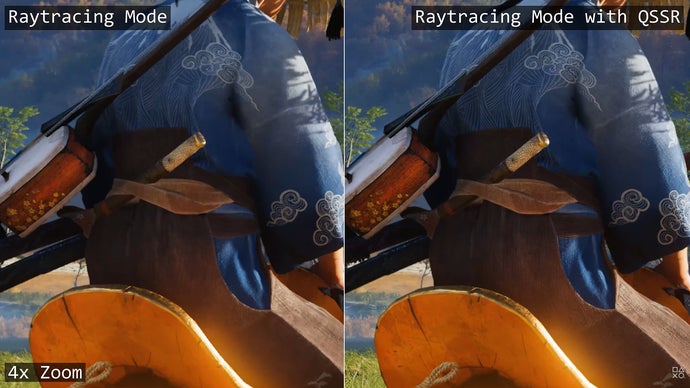
Sony Interactive Entertainment (SIE) is breathing new life into the standard PlayStation 5 hardware by rolling out a sophisticated AI-driven upscaling solution known as Quick Spectral Super Resolution (QSSR). This development marks a significant milestone in the console’s lifecycle, proving that the base model still has plenty of untapped potential for visual fidelity.
The introduction of QSSR is the direct result of a long-standing technical partnership between Sony and AMD. By utilizing a refined neural network architecture, the technology is specifically calibrated to squeeze maximum performance out of the original PS5’s silicon, effectively boosting both visual clarity and frame rate stability.
Distinguishing QSSR from PSSR
While QSSR brings advanced upscaling to the masses, it is important to distinguish it from the PlayStation Spectral Super Resolution (PSSR) found in the PS5 Pro. Sony maintains that PSSR remains the “gold standard” for its upscaling suite, reserved exclusively for the Pro model due to its specialized hardware capabilities.
To put this into perspective, the PS5 Pro is equipped with 300 TOPS (trillions of operations per second) of dedicated AI hardware. This massive overhead allows the Pro to prioritize higher-quality reconstruction without compromising performance. In contrast, QSSR is a masterclass in optimization for the base console.
Engineering Efficiency on Existing Hardware
Daniel Craig, a principal engineer for graphics R&D at SIE, recently discussed the technical hurdles of bringing this tech to the original console in an interview with Digital Foundry. He noted that while the PS5 Pro was architected from the ground up for AI-heavy tasks, the base PS5 requires a more surgical approach.
“The reality is that the PS5 Pro has 300 TOPS of dedicated hardware for this purpose and is free to pick a much more generous spot on that cost-versus-quality curve,” Craig explained. “It’s true that PS5 Pro was purpose-built for the task, so QSSR relies primarily on FP16 math. A streamlined neural network architecture got us close, but from there, we leveraged a variety of less obvious hardware features to maximize efficiency-as console developers tend to do.”
This shift is a win for the gaming community, as it allows developers to push graphical boundaries further into the console generation. By optimizing how the hardware handles image reconstruction, players can expect sharper textures and smoother motion in upcoming titles, even on the hardware they already own.
As the industry moves toward AI-assisted rendering, Sony’s dual-pronged approach-PSSR for the high-end Pro and QSSR for the standard console-ensures that the entire PlayStation ecosystem benefits from modern graphical advancements.