

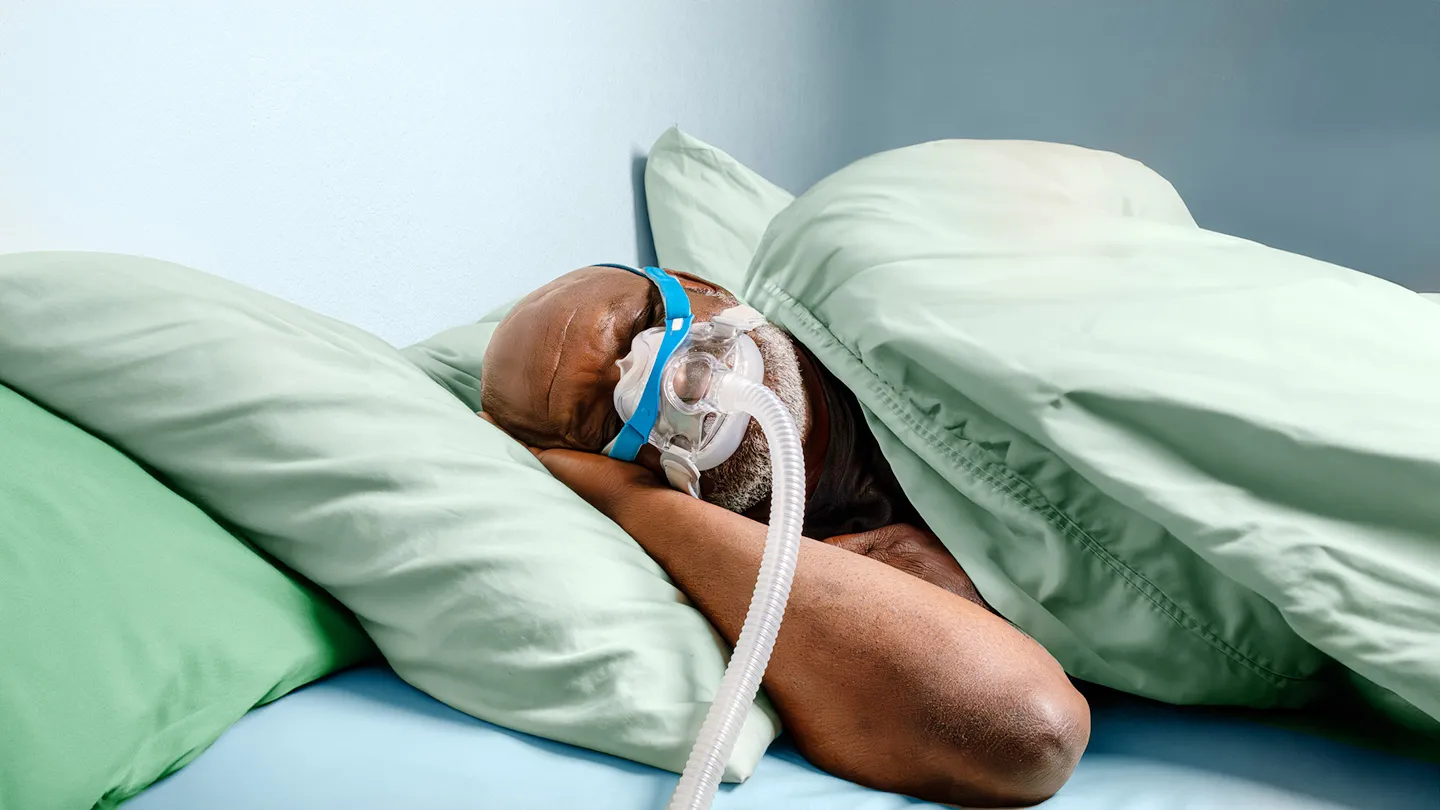



# Optimizing Your Sleep Apnea Routine: Practical Strategies for Better Rest
Managing obstructive sleep apnea (OSA) requires more than just owning a CPAP machine; it demands a consistent, stress-free approach to your nightly therapy. While the clinical benefits of continuous positive airway pressure are well-documented-with studies showing that consistent use significantly reduces the risk of cardiovascular complications-the psychological hurdle of adhering to treatment can be significant. By refining your sleep hygiene and adjusting your mindset, you can transform your CPAP therapy from a chore into a seamless part of your evening.
## Streamlining Your Nightly Setup
One of the most common reasons patients abandon their CPAP therapy is the “friction” associated with the setup process. When you are already battling exhaustion, the prospect of assembling tubing, adjusting straps, and filling water chambers can feel overwhelming.
To combat this, integrate your equipment preparation into your early wind-down routine. Rather than waiting until you are ready to turn off the lights, prepare your mask and machine immediately after dinner or while you are getting ready for bed. By removing the technical setup from the final moments of your night, you lower the barrier to entry, making it much easier to commit to using your device every single night.
## Adopting a “Big Picture” Mindset
It is natural to want perfect data from your CPAP machine, but hyper-focusing on every minor metric can be counterproductive. Sleep specialists often observe that patients who obsess over their nightly reports experience “orthosomnia”-a perfectionist obsession with achieving perfect sleep data-which ironically leads to increased anxiety and poorer sleep quality.
Consider this: if your CPAP app indicates a minor air leak, but you are waking up feeling refreshed and your overall therapy numbers remain within the target range, there is no need for alarm. Much like a car that might have a minor cosmetic scratch but still runs perfectly, your treatment can be highly effective even if the data isn’t “perfect.”
## Why Flexibility Matters
The goal of sleep apnea treatment is to improve your quality of life, not to add another source of stress to your day. If you find yourself losing sleep over minor equipment alerts or slight variations in your nightly pressure readings, take a step back. Focus on how you feel during the day-are you less drowsy? Is your focus sharper? If the answer is yes, your treatment is working.
By letting go of the need for flawless data and focusing on the tangible benefits of your rest, you create a sustainable environment for long-term health. Remember, consistency is far more important than perfection.