



Brazil’s Strategic Ambition: Becoming a Global Powerhouse in Game Development
For decades, nations have leveraged entertainment media to project influence across borders. Just as the global dominance of Hollywood films has cemented American cultural values, or the international explosion of anime has fostered a deep appreciation for Japanese traditions, video games are now emerging as the next frontier of “soft power.”
While many Western governments have been slow to recognize the geopolitical and cultural weight of interactive media, a select group of nations is actively pivoting to capitalize on this digital shift. As noted by George Osborn in his insightful work Power Play, the ability to shape global narratives through gaming is a strategic asset that forward-thinking countries are no longer ignoring.
The Rise of the Brazilian Gaming Ecosystem
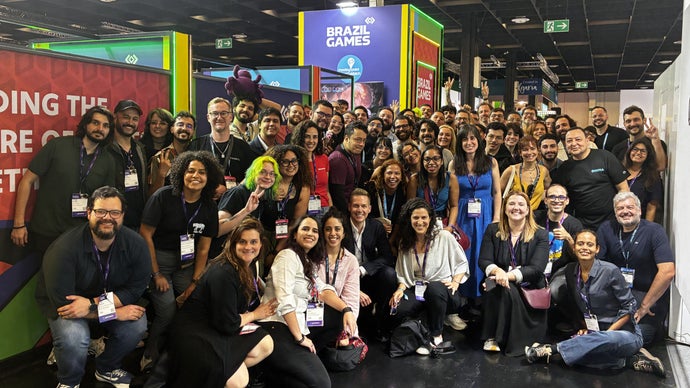
Brazil is positioning itself at the forefront of this movement. According to Rodrigo Terra, president of the Brazilian games industry trade association, Abragames, the integration of gaming into the nation’s broader cultural and economic strategy is a top priority.
The industry is currently experiencing a period of rapid maturation. With a massive domestic player base and an increasingly sophisticated development scene, Brazil is moving beyond being a mere consumer market to becoming a significant creator of digital content. The local industry is benefiting from a surge in talent and a growing recognition of the economic potential inherent in game exports.
A Decade-Long Roadmap to the Top Five
Terra’s vision for the future is bold: he aims to propel Brazil into the ranks of the world’s top five game-producing nations within the next decade. This objective is supported by the country’s unique creative identity, which offers a distinct perspective in a market often dominated by North American and East Asian studios.
To put this ambition into context, the global gaming market is projected to reach a valuation of over $280 billion by 2027. By capturing a larger share of this expanding pie, Brazil intends to transform its digital creative sector into a primary pillar of its national economy. Achieving this status will require sustained investment in local studios, educational initiatives to foster technical talent, and continued international collaboration to ensure Brazilian-made titles reach a global audience.
As the industry continues to evolve, Brazil’s commitment to becoming a global leader serves as a blueprint for other emerging markets looking to harness the power of interactive entertainment to boost their international standing.