





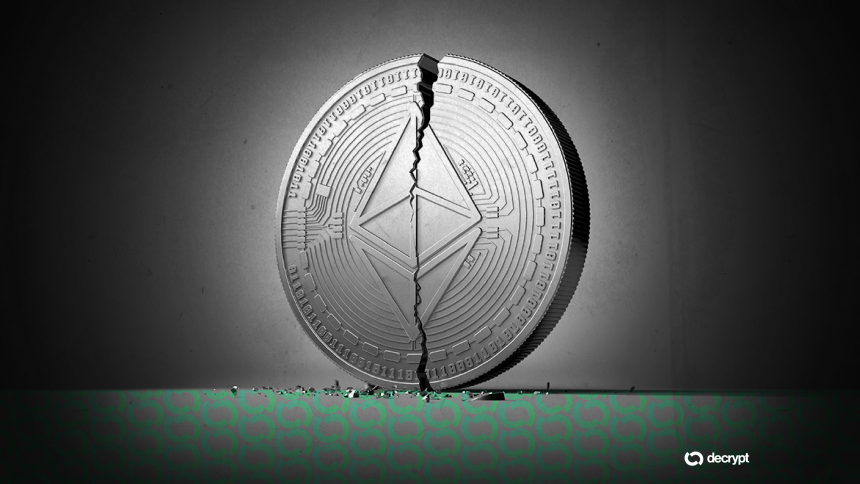
Preparing for the Post-Encryption Era: Why “Bunker Mode” is the New Crypto Standard
The cryptographic foundations securing the digital asset ecosystem are facing an unprecedented threat. While the industry has long braced for the arrival of “Q-Day”-the moment quantum computers become powerful enough to dismantle current encryption standards-new developments in artificial intelligence suggest that the timeline for this vulnerability may be accelerating significantly.
The Shift from Quantum Fears to AI-Driven Risks
Justin Drake, a prominent researcher at the Ethereum Foundation, recently issued a sobering advisory to the blockchain community. Historically, the primary concern regarding the security of Bitcoin and Ethereum has been the eventual development of large-scale quantum hardware. However, Drake now posits that rapid advancements in AI-driven mathematical research could potentially compromise the Elliptic Curve Digital Signature Algorithm (ECDSA) much sooner than previously anticipated.
In a worst-case scenario, Drake suggests that these cryptographic foundations could be compromised in a matter of months rather than years. This shift in perspective highlights how AI is not just a tool for development, but a potential catalyst for breaking the very protocols that protect billions in digital assets.
Implementing “Bunker Mode”: A Proactive Defense
To mitigate these risks, Drake has proposed a strategic transition known as “bunker mode.” This is not a call for immediate panic, but rather a structured, long-term migration plan for the industry.
The core of this strategy involves moving assets to “quantum-resistant” addresses. By migrating funds to new, unused addresses that have never performed a transaction, users can ensure their public keys remain obscured behind a cryptographic hash. Because these public keys have not been exposed to the network, they remain shielded from the specific mathematical attacks that threaten ECDSA-based signatures.
* Strategic Migration: Users should gradually transition their holdings to fresh, unexposed addresses.
* Hash-Based Security: The Ethereum Foundation is actively exploring a transition toward hash-based cryptography, which is widely considered more resilient against both AI and quantum-based decryption methods.
* Measured Response: Drake emphasizes that this is a methodical process. There is no need for impulsive action; instead, the focus should be on long-term infrastructure upgrades.
The Future of Blockchain Security
The vulnerability of ECDSA-the mechanism that verifies transaction authorization via private keys-is a systemic issue that affects the entire crypto landscape, not just Ethereum. As AI continues to evolve, the ability to solve complex mathematical problems at scale will only improve, making the transition to post-quantum cryptography an urgent priority for developers.
For investors and stakeholders, the message is clear: the security models of the past decade are being stress-tested by the technologies of the future. By prioritizing the adoption of quantum-resistant standards and embracing “bunker mode” protocols, the blockchain industry can stay one step ahead of emerging threats.
Myriad: Where does Ethereum go next? Click to make your prediction.