



The Repairability Reality: Apple Watch Series 12 and Ultra 4 Teardown Analysis
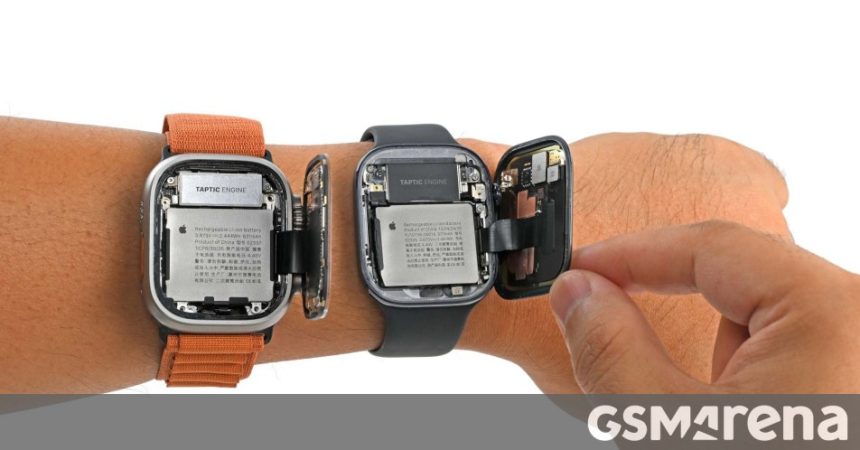
The latest teardown analysis from iFixit has shed light on the internal architecture of the Apple Watch Series 12 and the Watch Ultra 4. While Apple continues to refine its hardware, the consensus remains clear: these devices remain notoriously challenging to service. Beyond the technical hurdles, these design choices raise significant questions regarding compliance with emerging “Right to Repair” legislation currently gaining momentum in jurisdictions like California, New York, and Oregon.
Incremental Progress: The Series 12 Evolution
The Apple Watch Series 12 managed to secure a repairability score of 4/10, marking a marginal improvement over the Series 11. This slight uptick is largely attributed to two specific engineering adjustments:
* Battery Accessibility: The integration of stretch-release adhesive allows for a more straightforward battery extraction process.
* Streamlined Connectivity: A redesigned display connector simplifies the internal layout.
Despite these tweaks, the fundamental design philosophy remains problematic. Accessing the internal components still necessitates removing the display first. This creates a high-stakes scenario where a simple battery swap carries the inherent risk of shattering the screen. Furthermore, the new connector design creates a dependency loop; even if a user only intends to replace a cracked screen, the battery must also be removed, complicating what should be a modular repair.
Stagnation in the Ultra Lineup
While the standard Series 12 shows signs of minor internal evolution, the Watch Ultra 4 remains stagnant in terms of serviceability. Despite its premium positioning and rugged branding, the device offers no significant improvements for independent repair shops or DIY enthusiasts.
The Regulatory Conflict
The difficulty of these repairs is not merely a technical inconvenience; it is a point of contention for consumer advocacy groups. With Right to Repair laws becoming more stringent, manufacturers are under increasing pressure to design products that allow for easier component replacement. By maintaining a design that requires specialized tools and carries a high risk of collateral damage during disassembly, Apple’s latest wearables appear to be at odds with the spirit of these legislative efforts. As of 2024, industry data suggests that while some manufacturers are moving toward modularity, high-end wearables continue to prioritize sleek, sealed aesthetics over long-term maintainability.