





Reflections on Two Months with the BMW iX3 Neue Klasse: The Good and the Frustrating
After spending eight weeks behind the wheel of the BMW iX3 Neue Klasse, my overall impression remains largely positive. The vehicle delivers a refined, whisper-quiet driving experience paired with impressive energy efficiency and a cabin designed for long-distance comfort. However, even a premium electric vehicle isn’t without its quirks. While the engineering is top-tier, there are a few ergonomic choices that have proven to be persistent sources of frustration in my daily commute.
The Ergonomic Debate: Why Steering Wheel Geometry Matters
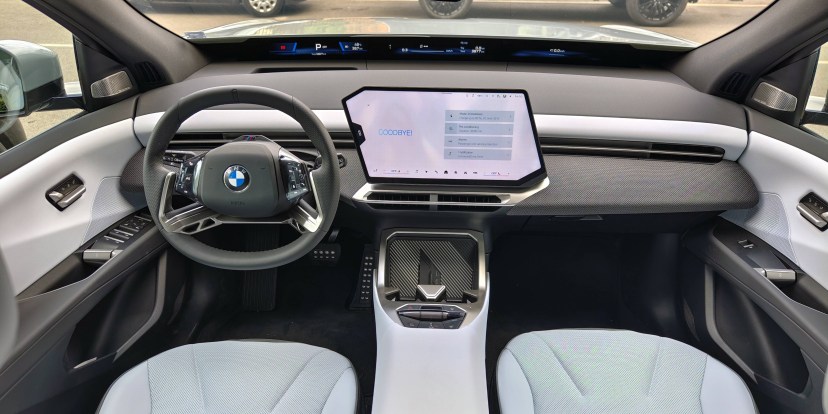
One of the most contentious design trends in modern automotive interiors is the departure from the traditional circular steering wheel. Anticipating that unconventional shapes might hinder my driving experience, I specifically opted for the most standard, round steering wheel available in the BMW catalog. Despite this precaution, I have found that the design still presents a functional hurdle.
The issue becomes apparent during routine maneuvers, such as navigating a sharp 90-degree turn. In a vehicle equipped with a classic, perfectly circular rim, the process of returning the wheel to the center position is intuitive; you simply relax your grip, allowing the rim to slide smoothly through your palms while maintaining enough friction to regulate the speed of the return.
With the current setup, even the subtle deviations from a perfect circle disrupt this fluid motion. It creates a tactile inconsistency that forces me to be more deliberate with my hand placement than I would be in a car with a traditional design. It serves as a reminder that in the pursuit of futuristic aesthetics, manufacturers sometimes overlook the muscle memory that drivers have developed over decades of operating standard circular controls.
Balancing Innovation with Practicality
As the automotive industry shifts toward the “Neue Klasse” philosophy, the focus is clearly on digital integration and minimalist design. However, as recent industry data suggests, user experience (UX) remains the primary driver of long-term owner satisfaction. While the iX3 excels in powertrain efficiency-often exceeding its EPA-estimated range in real-world city driving-the physical interface remains the bridge between the driver and the machine. When that bridge feels slightly disjointed, it can detract from an otherwise stellar driving experience.
Ultimately, while the iX3 is a masterclass in electric performance, it highlights a growing tension between modern design language and the practical, tactile needs of the driver. For now, I am learning to adapt, but I remain a firm believer that when it comes to steering, the classic round design is a standard that shouldn’t be “improved” upon.