




Apple’s Dual-Wave October Strategy: What to Expect
Apple appears to be adopting a split-launch strategy this month, moving away from its traditional single-keynote format. Following recent industry reports, it is now clear that the tech giant is preparing two distinct waves of product announcements to close out October. While the first event is officially locked in for October 13, insider insights from Bloomberg’s Mark Gurman have shed light on a follow-up presentation slated for later in the month.
The Second Wave: A Late-October Showcase
According to information provided by sources close to the company’s internal roadmap, Apple is targeting Tuesday, October 27, as the window for its second major reveal. This secondary event is expected to be hardware-heavy, focusing on significant updates to the company’s computing and tablet lineup.
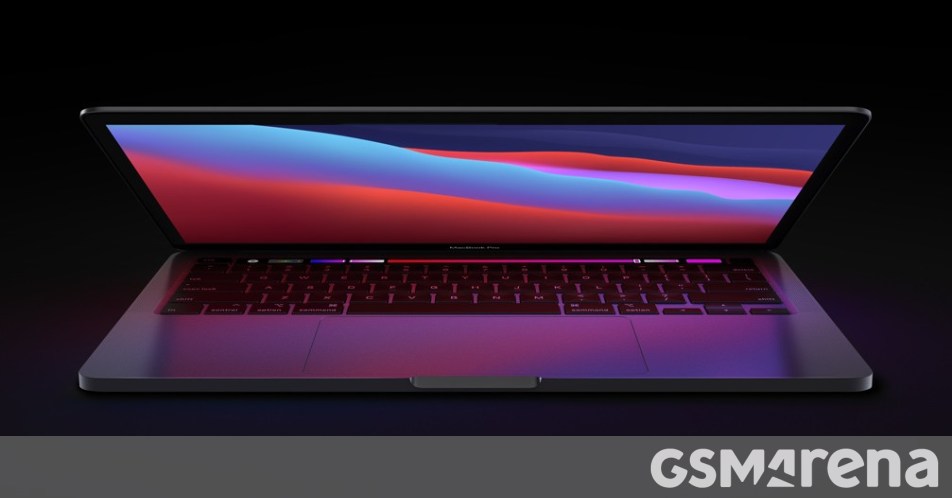
The highlight of this late-October event is rumored to be the debut of the long-awaited touchscreen MacBook, a device that has been the subject of industry speculation for years. Alongside this potential paradigm shift in laptop design, Apple is expected to introduce an OLED iPad mini, catering to users who prioritize display quality in a compact form factor. Furthermore, the company is likely to refresh its professional-grade hardware, unveiling 14-inch MacBook Pro and iMac models equipped with the cutting-edge M6 silicon, which promises to push the boundaries of efficiency and performance beyond current M5 benchmarks.
Smart Home Focus: The October 13 Kickoff
Before the high-performance computing announcements, Apple will shift its focus to the living room and home automation. The two separate product launches begin with a smart home-centric event on October 13. During this session, the company is anticipated to unveil a new HomePod featuring an integrated display, alongside a refreshed HomePod mini and a next-generation Apple TV.
This push into the smart home ecosystem is particularly notable given the current market trends; with the global smart home market projected to reach over $200 billion by 2027, Apple is clearly positioning itself to capture a larger share of the connected household. Beyond its own hardware, the company is also expected to showcase a suite of compatible smart home accessories developed in collaboration with industry leaders like LG and Schneider Electric, signaling a more open approach to its HomeKit ecosystem.