



A Global Shift: Nintendo’s Move Toward User-Replaceable Batteries
It appears that a significant design evolution is on the horizon for Nintendo hardware, one that promises to benefit both the company and its dedicated player base. While initial reports suggested that user-replaceable batteries would be a regional exclusivity for the European market, recent evidence points toward a much broader, global rollout.
Compliance Driving Global Hardware Upgrades
The catalyst for this change stems from stringent European Union regulations set to take effect in 2025, which mandate that consumer electronics must feature batteries that are easily removable and replaceable by the end-user. Initially, Nintendo UK signaled that they would adjust their console and controller manufacturing specifically to meet these legal requirements within the EU.
However, the strategy appears to have shifted from a localized compliance measure to a standardized global design. By adopting this architecture worldwide, Nintendo is effectively future-proofing its hardware against similar “Right to Repair” legislation that is currently gaining momentum in regions like North America and parts of Asia.
Evidence from FCC Filings
The most compelling proof of this global transition comes from recent documentation surfaced by Nintendo Patents Watch. Their analysis of FCC certification filings reveals that the revised “Joy-Con 2” hardware is being prepared for the North American market. The technical exhibits regarding label placement strongly imply that these updated controllers-featuring the new battery architecture-will be the standard inclusion for the upcoming Switch 2, rather than a niche version reserved for Europe.
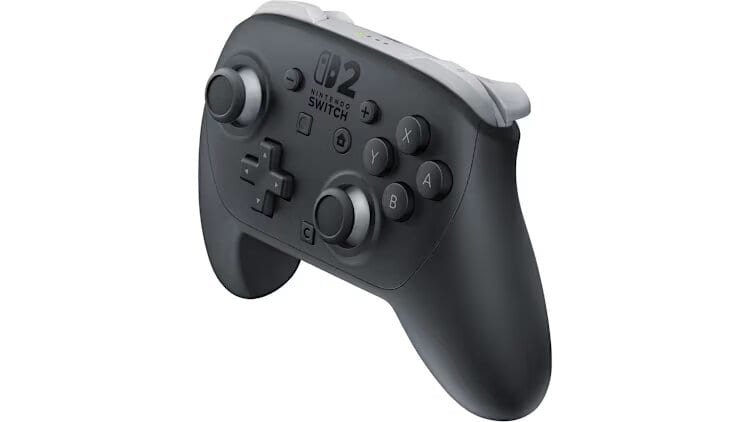
The scope of these filings extends beyond just the Joy-Cons. Recent regulatory data also highlights new iterations of the Switch 2 Pro Controller and the classic-style GameCube controller. This suggests a comprehensive overhaul of Nintendo’s peripheral ecosystem, moving away from the sealed-battery designs that have historically limited the lifespan of their gaming accessories.
Why This Matters for the Future of Gaming
While the primary driver is regulatory, this move is a massive win for consumer longevity. Historically, once a controller’s internal lithium-ion battery degrades, the device often becomes e-waste. By allowing users to swap out power cells, Nintendo is significantly extending the lifecycle of their products. This mirrors the industry trend seen in high-end professional controllers, such as the Xbox Elite or various “pro” third-party pads, which prioritize modularity.
Whether Nintendo decides to market the Switch 2 console itself with a user-accessible battery remains to be seen, but the standardization of these peripherals is a clear indicator of a more sustainable hardware philosophy. Ultimately, this transition reduces the frequency of hardware replacements for the consumer and fosters a more durable, long-term relationship between the player and their gear.