




## The DDR4 Resurgence: Why Chipmakers Are Pivoting Back to Legacy Memory
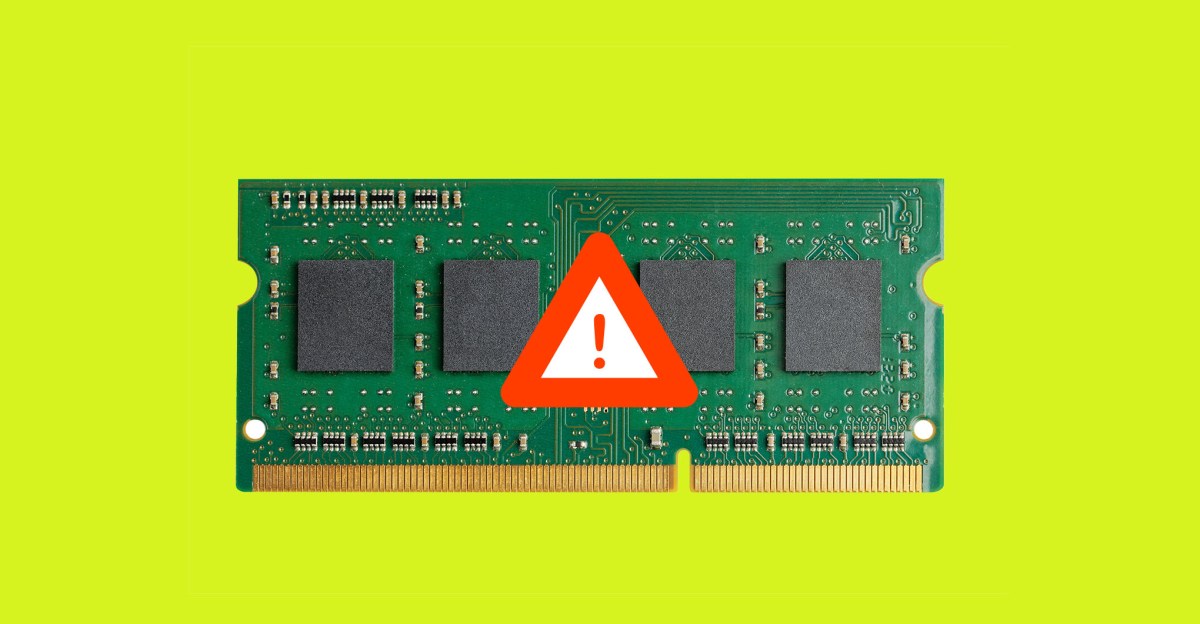
As the cost of high-speed memory continues to climb, PC enthusiasts and budget-conscious builders are finding it increasingly difficult to justify the price of modern upgrades. The persistent RAM price hikes have created a significant barrier to entry for those looking to refresh their systems. In response, major CPU manufacturers are shifting their strategy, signaling a surprising return to the more accessible DDR4 standard.
### Reviving the LGA 1700 Platform
The industry’s pivot is centered on the versatility of the LGA 1700 socket. Originally introduced alongside the 12th gen Alder Lake CPUs in 2021, this socket was unique for its ability to bridge the gap between DDR4 and the then-emerging DDR5 technology.
While Intel had largely moved toward a DDR5-exclusive ecosystem by 2024, recent developments suggest a change of heart. Gigabyte recently confirmed that its motherboard lineups are being updated to accommodate upcoming processors compatible with the LGA 1700 socket. Industry insiders anticipate these new chips will hit the market in early 2027, effectively extending the lifespan of a platform many thought was nearing retirement.
### Economic Pressures Driving Hardware Choices
The decision to re-embrace older memory standards is a direct reaction to current market volatility. With DDR5 prices remaining elevated due to supply chain constraints and manufacturing complexities, the total cost of ownership for a new PC build has skyrocketed. By supporting DDR4, manufacturers are providing a “value tier” for consumers who want the performance gains of a new CPU without the financial burden of replacing their entire RAM kit.
Think of this transition like the automotive industry offering a “base model” engine that runs on standard fuel, rather than forcing every buyer to purchase a high-performance vehicle that requires expensive, premium-grade gasoline. It provides a necessary middle ground for users who prioritize utility and cost-efficiency over bleeding-edge memory speeds.
### A Competitive Trend
Intel is not alone in this tactical retreat. AMD has also recognized the consumer demand for more flexible upgrade paths. By maintaining support for legacy memory, both companies are acknowledging that for many gamers and professionals, the performance delta between DDR4 and DDR5 does not always justify the steep price premium. As we look toward 2027, this dual-format support strategy serves as a vital lifeline for users looking to maximize their hardware investment in an era of unpredictable component costs.