


## Reclaiming History: Understanding the Shift to Indigenous Peoples’ Day
In recent years, a significant cultural shift has taken place across the United States as many jurisdictions move away from celebrating Columbus Day. In its place, communities are increasingly observing Indigenous Peoples’ Day, a holiday dedicated to honoring the original inhabitants of the Americas and acknowledging the complex, often painful history that followed the arrival of European explorers in 1492.
### The Evolution of a National Observance
For decades, the second Monday in October was synonymous with Christopher Columbus, the Italian navigator who completed four transatlantic voyages under the Spanish flag. While he was once celebrated as a heroic pioneer, modern historical analysis has reframed his legacy. Today, he is viewed as a deeply controversial figure, with many historians and activists pointing to the systemic violence, displacement, and disease that decimated Native American populations following his arrival.
In response to this historical reckoning, a growing number of states and municipalities have opted to pivot their focus. By renaming the holiday, these regions aim to shift the spotlight from colonial expansion to the resilience, culture, and enduring contributions of Indigenous communities.
### A Brief History of Columbus Day
The tradition of honoring Columbus on a federal level is relatively modern. It was officially established as a U.S. federal holiday in 1937, largely due to the advocacy of Italian American organizations seeking to celebrate their heritage and contributions to American society.
As we look toward the calendar, the holiday remains fixed on the second Monday of October. For the upcoming year, this date falls on Monday, October 12, 2026.
### Why the Change Matters
The transition toward Indigenous Peoples’ Day is more than just a change in nomenclature; it is an act of historical reconciliation. By centering the voices of those who were here long before 1492, the holiday serves as a platform for education and reflection.
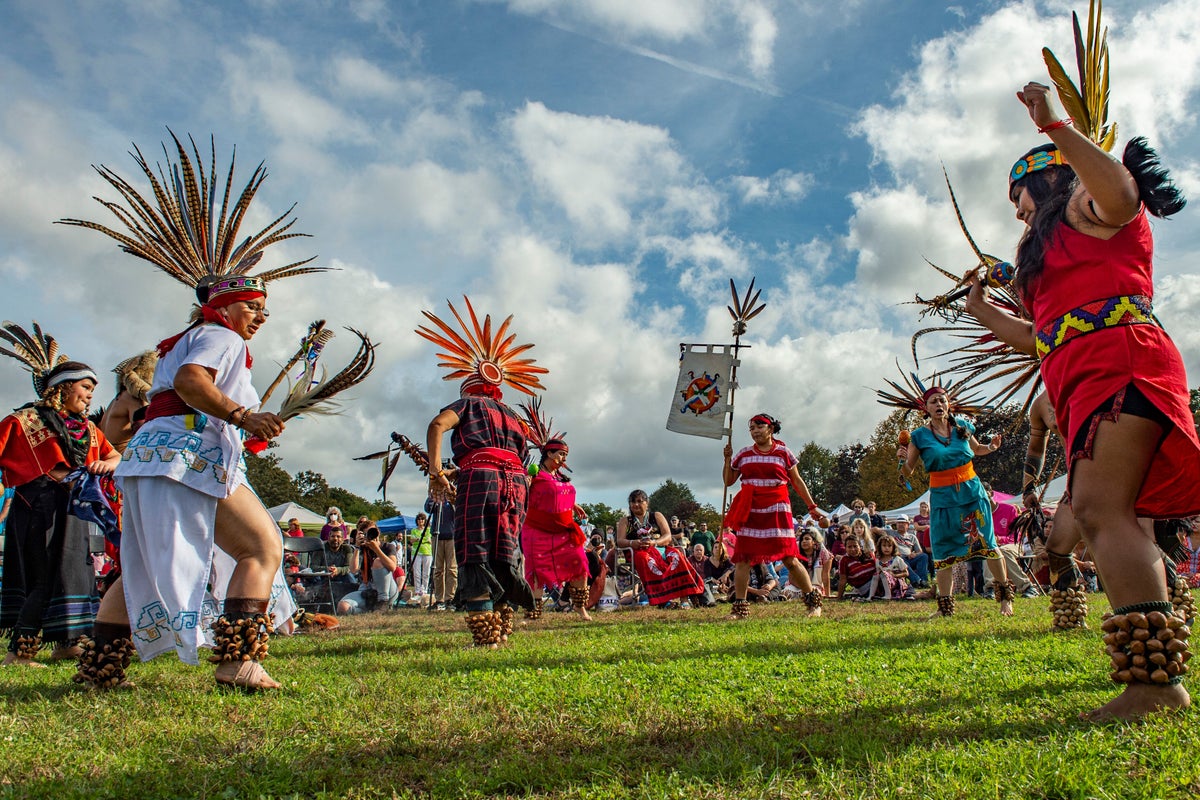
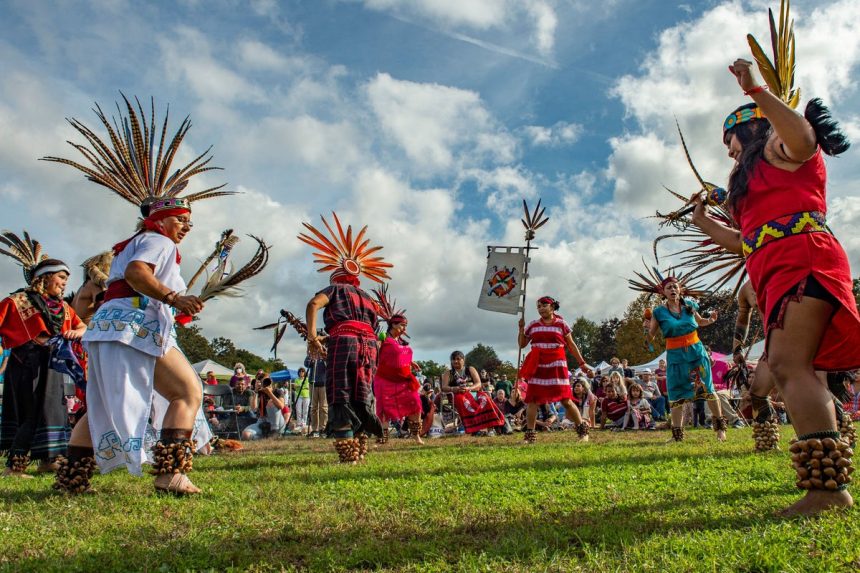
For example, in cities like Newton, Massachusetts, the day is marked by ceremonial celebrations, such as traditional dances performed by groups like Cetiliztli Nauhcampa. These events serve as a powerful reminder that Indigenous culture is not a relic of the past, but a living, breathing part of the American identity. As of 2024, over 100 cities and several states have officially adopted Indigenous Peoples’ Day, signaling a broader national trend toward recognizing the sovereignty and history of Native nations.