




The Final Chapter: Dortmund’s Tresor.West to Cease Operations
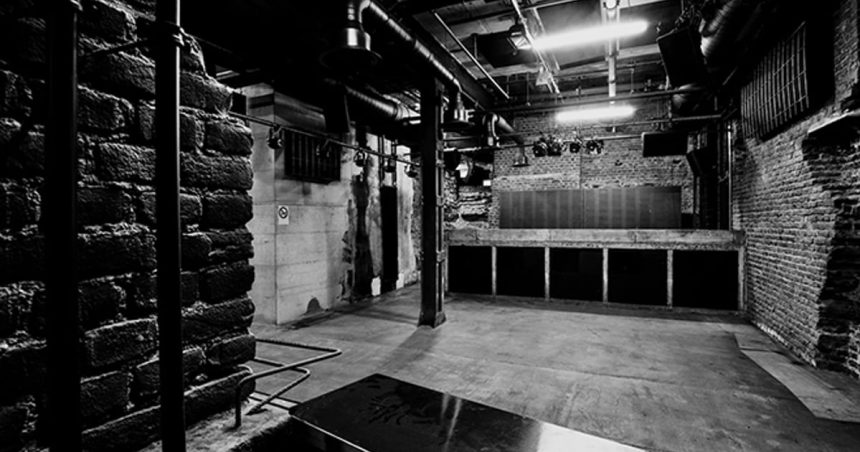
After a seven-year run that redefined the electronic music landscape in Dortmund, the renowned venue Tresor.West has officially announced it will be closing its doors permanently at the conclusion of 2026. The decision marks the end of an ambitious chapter for the sister club of Berlin’s legendary Tresor.
A Planned Conclusion to an Experimental Journey
The management team broke the news on Thursday, October 8, confirming the closure through a formal statement on Instagram, following an initial report by Resident Advisor. In their message to the community, the organizers framed the venue’s existence as a deliberate experiment. They noted that while the physical space and the tight-knit community it fostered will leave a lasting legacy, the current operational model is no longer sustainable. “The potential created here is real,” the statement read, expressing a hope that the spirit of the project will find new life elsewhere.
Navigating the Changing Tides of Club Culture
Since its inception in 2020, Tresor.West has served as a cultural beacon, yet it has not been immune to the broader economic pressures facing the nightlife industry. Founder Dimitri Hegemann has been transparent about the uphill battle of maintaining an independent venue in an era where the industry is increasingly dominated by massive, high-production festivals and large-scale commercial events.
The shift in consumer behavior-where audiences often prioritize headline-heavy, massive spectacles over the intimate, underground club nights that defined the 2010s-has placed significant strain on mid-sized venues. This trend is reflected in recent industry data, which suggests that independent clubs are facing a 20-30% increase in operational overheads, including energy costs and security, while ticket sales for smaller events have become increasingly volatile.
Reflecting on a Legacy of Community
Despite the impending closure, the venue’s impact remains undeniable. Hegemann has frequently championed the importance of grassroots engagement, notably through the “Community Nights” initiative. By removing the reliance on expensive headline DJs and offering free entry, the club successfully cultivated a space focused on local talent and collective experience rather than star power.
In a 2025 interview with Mixmag, Hegemann provided a candid look at the difficulties of sustaining a club culture hub in West Germany. His insights highlight the tension between maintaining artistic integrity and the harsh realities of the modern entertainment market, serving as a poignant reminder of the fragility of independent nightlife spaces.


![Project Hail Mary’s Rocky Actor Points Out A Subtle Detail You May Have Missed [Exclusive]](https://www.mixtv1.com/wp-content/uploads/2026/10/41184-attachment.jpg)