



Understanding the Phenomenon of “Ozempic Face”
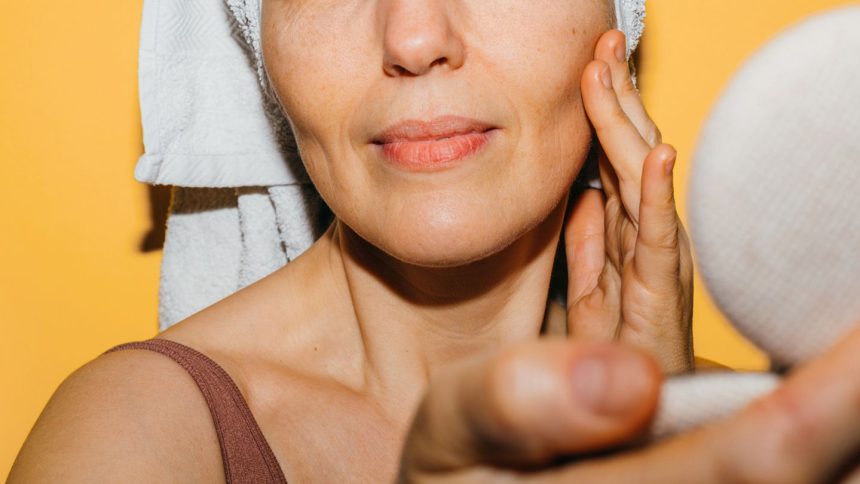
The term “Ozempic face” has gained significant traction in recent media, describing a specific aesthetic change often observed in individuals undergoing rapid weight loss while using GLP-1 receptor agonists. While these medications are highly effective for metabolic health, the resulting facial transformation is typically a byproduct of physiological shifts rather than a direct side effect of the drug itself. Experts suggest that this appearance stems from a combination of rapid subcutaneous fat depletion, diminished skin elasticity, and potential cellular-level interactions between GLP-1 medications and dermal tissue.
The Impact of Rapid Fat Depletion
When weight loss occurs at an accelerated pace, the body does not always have the time to adjust its skin-to-volume ratio. Facial fat serves as a critical structural scaffold; it provides the padding that keeps skin taut and youthful. As Samihah Ahmed, MD, an endocrinologist at Northwell Long Island Jewish Forest Hills and the Katz Institute for Women’s Health, explains, these fat compartments are essential for maintaining facial contours. When this volume is stripped away too quickly, the skin loses its underlying support system.
Think of the face like a balloon: when it is fully inflated, the surface is smooth and firm. If you let the air out rapidly, the rubber becomes loose and wrinkled. Similarly, when subcutaneous fat-the layer directly beneath the skin-is lost, the cheeks and temples often appear sunken. This creates a hollowed-out look, making fine lines, nasolabial folds, and skin laxity much more prominent than they were prior to the weight loss.
Why Speed Matters in Weight Management
The velocity of weight loss is a primary driver of these aesthetic changes. Clinical data suggests that individuals who lose weight at a moderate, steady pace-typically 1 to 2 pounds per week-allow their skin more time to retract and adapt to their changing frame. Conversely, the rapid shedding of fat associated with potent GLP-1 therapies can outpace the skin’s natural ability to produce collagen and elastin, the proteins responsible for firmness and snap-back.
Beyond the structural loss of fat, researchers are investigating whether GLP-1 medications might influence skin cell turnover or collagen synthesis directly. While the primary cause remains the rapid reduction in volume, the combination of sudden fat loss and the natural aging process can exacerbate the appearance of fatigue or premature aging in the face. Maintaining a balanced nutritional intake and staying hydrated are often recommended by clinicians to support skin health during any significant weight loss journey.