



The End of the “One-Firm, One-Market” Era in Venture Capital
For generations, the venture capital industry operated under a silent, ironclad code: a firm would never fund two direct competitors. This “non-compete” ethos was designed to prevent conflicts of interest and ensure undivided loyalty to founders. However, the explosive rise of artificial intelligence is shattering this long-standing tradition, forcing even the most prestigious firms to reconsider their investment boundaries.
The AI Gold Rush Strains Traditional Loyalties
The sheer scale of the current AI boom has made it nearly impossible for top-tier firms to maintain their traditional silos. We are witnessing a landscape where the most prominent players, such as OpenAI and Anthropic, share a massive overlap in their cap tables. Investors are increasingly prioritizing access to the “next big thing” over the historical etiquette of market exclusivity.
This shift is not merely theoretical; it is creating tangible friction. A recent, high-profile dispute involving Factory-a startup focused on AI-driven software development-highlights the volatility of this new reality. Factory recently ousted a board observer, Chris Degnan, citing concerns over his ties to their direct competitor, Cognition. While Degnan denied any breach of confidentiality, the incident culminated in his appointment as Chief Revenue Officer at Cognition. The public fallout, which included a sharp rebuke from prominent investor Vinod Khosla-who happens to hold stakes in both companies-underscores how messy these overlapping interests have become.
Why the Old Rules No Longer Apply
The traditional venture model was built on the idea of a 10-to-15-year commitment to a single vision within a specific niche. Today, the pace of innovation in generative AI is so rapid that firms feel they cannot afford to sit on the sidelines of a major breakthrough just because they have already backed a similar company.
Consider the current market data: according to recent industry reports, over 40% of top-tier VC firms have invested in at least two companies operating within the same generative AI vertical. This represents a significant departure from the practices of the early 2010s, where such overlap was considered a major red flag for limited partners.
Benchmark and the New Reality of VC
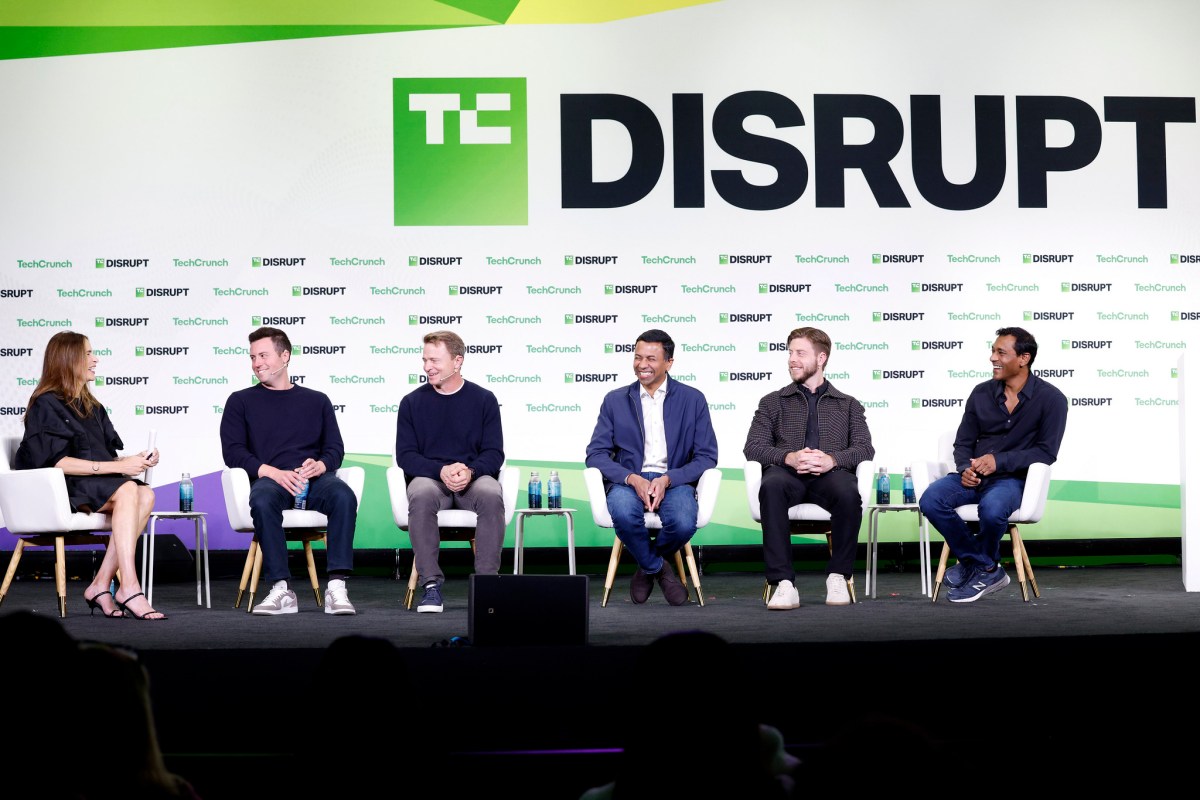
Even Benchmark, a firm historically defined by its deep, long-term partnerships with early-stage founders, has publicly admitted that the old playbook is becoming obsolete. During a recent appearance at TechCrunch Disrupt, Benchmark partners acknowledged that the AI revolution is fundamentally altering the relationship between capital and competition. When a firm as disciplined as Benchmark signals that the “unwritten rule” is eroding, it serves as a clear indicator that the venture capital industry is entering a period of permanent structural change.