




Warning: This article contains major spoilers for “You Can See Everything.” If you haven’t experienced the film yet, bookmark this page and return after your viewing.
The Reality-Bending Impact of “You Can See Everything”
I recently emerged from a matinee showing of the mind-bending documentary “You Can See Everything,” directed by the collaborative duo Nathan Fielder and Lance Oppenheim. The experience was so disorienting that I found myself pacing the neighborhood streets afterward, unable to immediately return to my daily routine. While the film’s massive, unexpected celebrity cameo is certainly a highlight, it is merely one layer in a project designed to systematically dismantle the viewer’s perception of reality.
A Narrative Shift That Defies Expectations
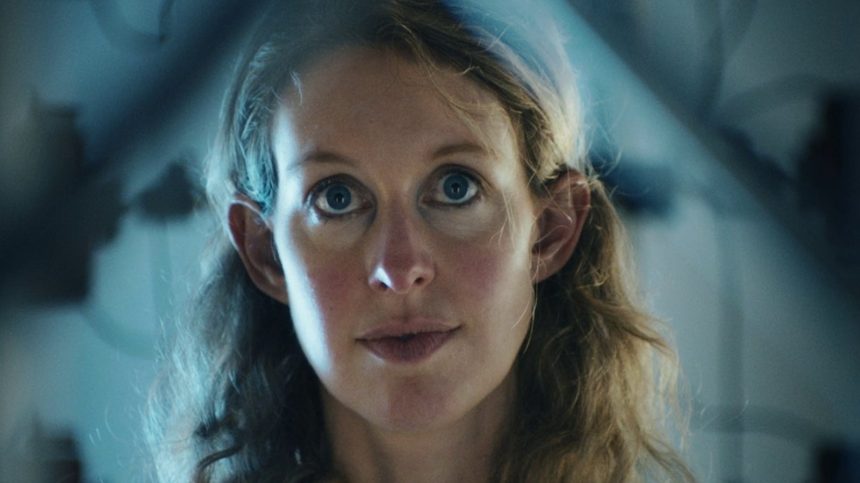
To understand the gravity of the film’s structure, one must look at how it handles its central subject, Elizabeth Holmes. The documentary initially presents itself with a sense of conventional pacing, but halfway through, it pulls the rug out from under the audience. Just as the narrative arc seems to reach a natural conclusion, the filmmakers pivot, forcing the viewer to question the authenticity of everything they have witnessed up to that point.
This technique mirrors the “uncanny valley” effect often discussed in media studies-where the closer a simulation gets to reality, the more unsettling it becomes. Much like the 2022 documentary “The Rehearsal,” which utilized elaborate sets to explore human behavior, “You Can See Everything” leverages its high-concept production to blur the lines between documentary truth and scripted performance. Recent industry data suggests that audiences are increasingly drawn to “meta-documentaries,” with viewership for experimental non-fiction growing by nearly 15% over the last two years as viewers seek more challenging, interactive storytelling.
The Cameo That Redefines the Film
The inclusion of a high-profile star in such a surreal context serves as a masterclass in subversion. By casting a recognizable face in a role that demands the audience re-evaluate their relationship with the subject, Fielder and Oppenheim achieve a level of cognitive dissonance that few films manage to sustain. It isn’t just a “gotcha” moment; it is a calculated narrative device that forces you to reconsider the entire first half of the film through a completely different lens.
If you are looking to dive deeper into the mechanics of this performance and how it fits into the broader scope of the documentary, you can find further analysis here: