



Redefining the Soulslike Formula: A First-Person Perspective
The “Soulslike” subgenre has matured into a well-defined blueprint. Enthusiasts instantly recognize the core pillars: the tactical management of stamina bars, the high-stakes tension of losing accumulated experience upon death, and the rhythmic cycle of resting at checkpoints-be they bonfires, lanterns, or shrines-which simultaneously replenishes health resources and resets the surrounding enemy population. While these mechanics are foundational, the most successful titles in the space are those that iterate on these tropes with a unique mechanical twist.
Valor Mortis: Innovation Through Immersion
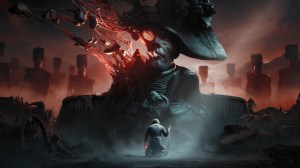
Valor Mortis enters the arena by pivoting away from the traditional third-person camera, opting instead for a first-person perspective. This shift provides a refreshing sense of novelty, grounding the player in the visceral intensity of the battlefield. The combat system is undeniably punchy, demanding a blend of surgical precision for parries and the disciplined patience required to wait for an opening. According to recent industry analysis, first-person melee combat remains a difficult design challenge to balance, yet Valor Mortis manages to make every strike feel impactful.
However, the experience is not without its friction. The game suffers from a lethargic opening act that struggles to hook the player, often feeling like a slog before the true potential of the mechanics is realized. It is a classic case of a “slow burn” that risks alienating players before they reach the second half, where the narrative stakes finally align with the complexity of the combat encounters.
A Supernatural Napoleonic Nightmare
The narrative casts you as William Dowsett, a soldier in Napoleon’s ranks whose voice and demeanor evoke a distinctly British sensibility. His journey begins with a jarring resurrection, only to discover that his former comrades have been consumed by a malevolent, supernatural corruption spreading across the European continent. This blight manifests in grotesque ways; for instance, the riflemen you once fought alongside are now unrecognizable, their heads replaced by pulsating, bulbous red growths that serve as a constant reminder of the horror you are tasked with purging.
While the premise is intriguing, the storytelling often feels secondary to the mechanics, lacking the depth found in genre titans like Elden Ring or Lies of P. Despite this, for those willing to push past the initial pacing issues, the latter half of the game offers a rewarding payoff that justifies the struggle.