



Legal Resolution Reached in Musk’s Controversial Voter Sweepstakes Dispute
By Terrence O’Brien | Oct 17, 2026
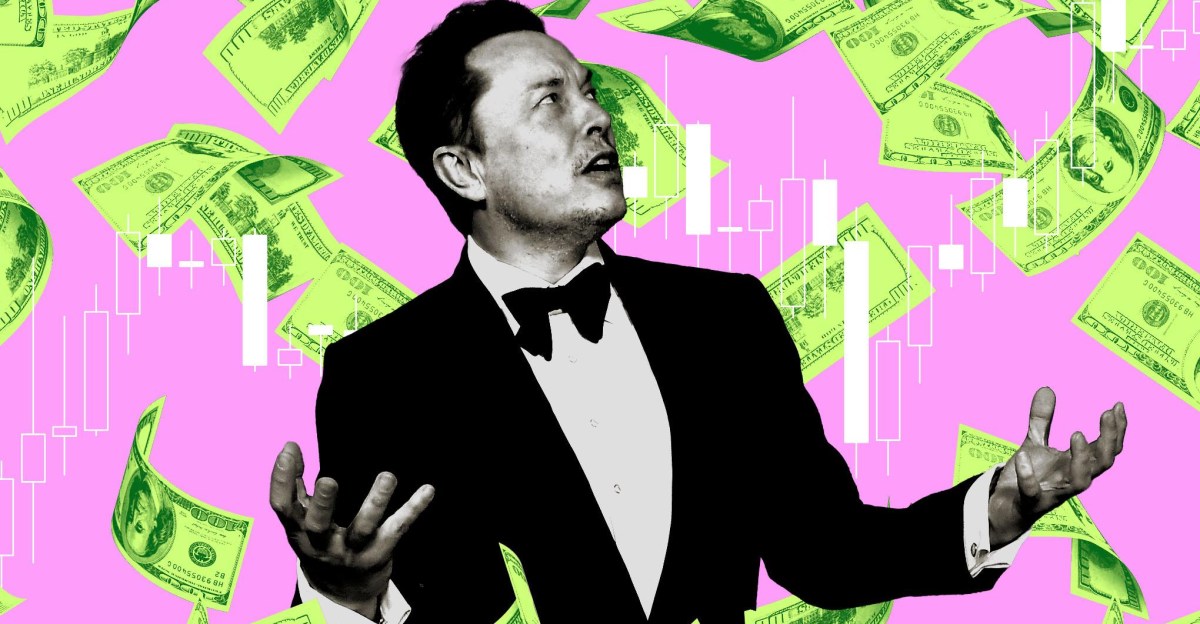
A legal battle centered on allegations that Elon Musk’s high-profile $1 million daily voter giveaway was deceptive has come to a close. The plaintiffs, who initiated litigation against the tech mogul, have reached a settlement for an undisclosed financial amount, effectively putting the dispute to rest.
The Genesis of the Legal Challenge
The controversy traces back to 2024, when Elon Musk launched a provocative initiative through his America PAC, pledging to award $1 million daily to a randomly chosen registered voter residing in a key swing state. This move immediately ignited a firestorm of scrutiny regarding election integrity and campaign finance laws. The situation escalated when two Arizona residents filed a class-action lawsuit in Austin, Texas, alleging that the sweepstakes was fundamentally fraudulent.
While the specific terms of the agreement remain confidential, reports confirm that Musk has officially settled these claims. This resolution marks the end of a significant chapter in the legal challenges that dogged the billionaire’s political spending during the 2024 election cycle.
Allegations of Deception and Regulatory Pushback
At the heart of the plaintiffs’ argument was the assertion that the selection process was not the impartial, random draw that Musk had advertised. Critics argued that the marketing of the prize served as a lure to influence voter behavior, rather than a genuine sweepstakes. The legal pressure wasn’t limited to private citizens; the District Attorney of Philadelphia also pursued legal action to halt the giveaway, citing concerns that the program violated state lottery regulations and election statutes.
To put the scale of this into perspective, the 2024 election cycle saw an unprecedented influx of “dark money” and unconventional political incentives. Similar to how traditional political action committees (PACs) utilize direct mail or digital advertising to mobilize voters, Musk’s approach utilized a high-stakes financial incentive model. However, unlike standard advertising, this “lottery” approach blurred the lines between civic engagement and gambling, leading to widespread debate among legal scholars about whether such incentives constitute illegal vote-buying under federal law.