




A Fresh Look at the vivo V80: Hands-On Impressions
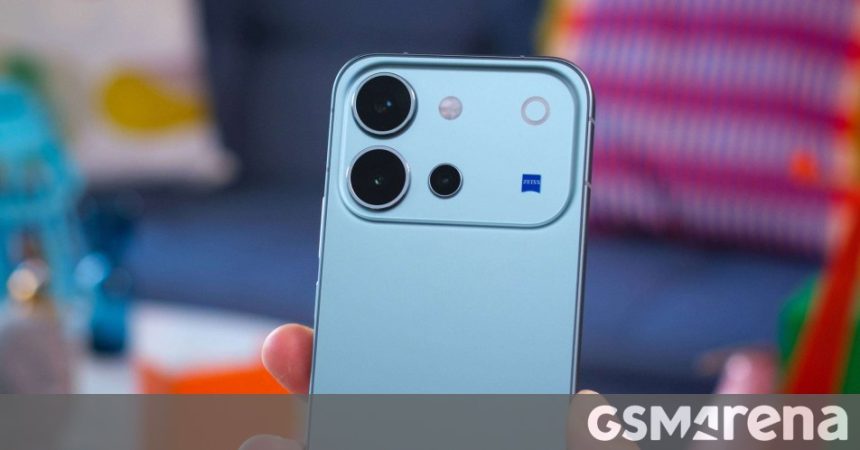
We have spent additional time with the vivo V80, following our initial assessment earlier this month. While our previous encounter featured a vibrant, sunset-inspired orange variant, this latest unit arrives in a sophisticated, chameleon-like hue that keeps us guessing-is it a deep forest green or a muted teal? Regardless of the specific color classification, this finish feels significantly more premium and distinct than the previous iteration.
What’s Inside the Box?
For those curious about the retail experience, the global version of the V80 comes well-equipped. Inside the packaging, you will find:
- The vivo V80 handset
- A protective transparent soft case
- A high-speed 90W power adapter
- A standard USB-A to USB-C charging cable
Design Evolution and Build Quality
The aesthetic of the V80 is a calculated hybrid. It draws inspiration from the structural DNA of the V70 while adopting the modern, industrial silhouette popularized by recent high-end smartphones. The device features a robust matte metal frame paired with a semi-transparent glass back, creating a tactile experience that feels both durable and refined.
The camera module, which dominates the rear, echoes the expansive island design seen on current Pro-tier flagship devices. While some might argue this design language is derivative, the execution is undeniably high-quality. The matte finish effectively resists fingerprints, and the overall weight distribution gives the phone a substantial, “flagship-grade” presence in the hand.
Performance and Camera Considerations
The Zeiss-branded optics integrated into the rear array certainly command attention, signaling a focus on professional-grade mobile photography. However, it is important to note that the hardware configuration remains largely unchanged from the V70.
In an era where smartphone manufacturers are pushing for 200MP sensors or periscope zoom lenses, the V80 opts for consistency over radical hardware shifts. While the imaging software has been refined to handle color science and low-light processing more effectively, power users looking for a massive leap in sensor technology compared to the previous generation may find the camera system familiar rather than revolutionary.