


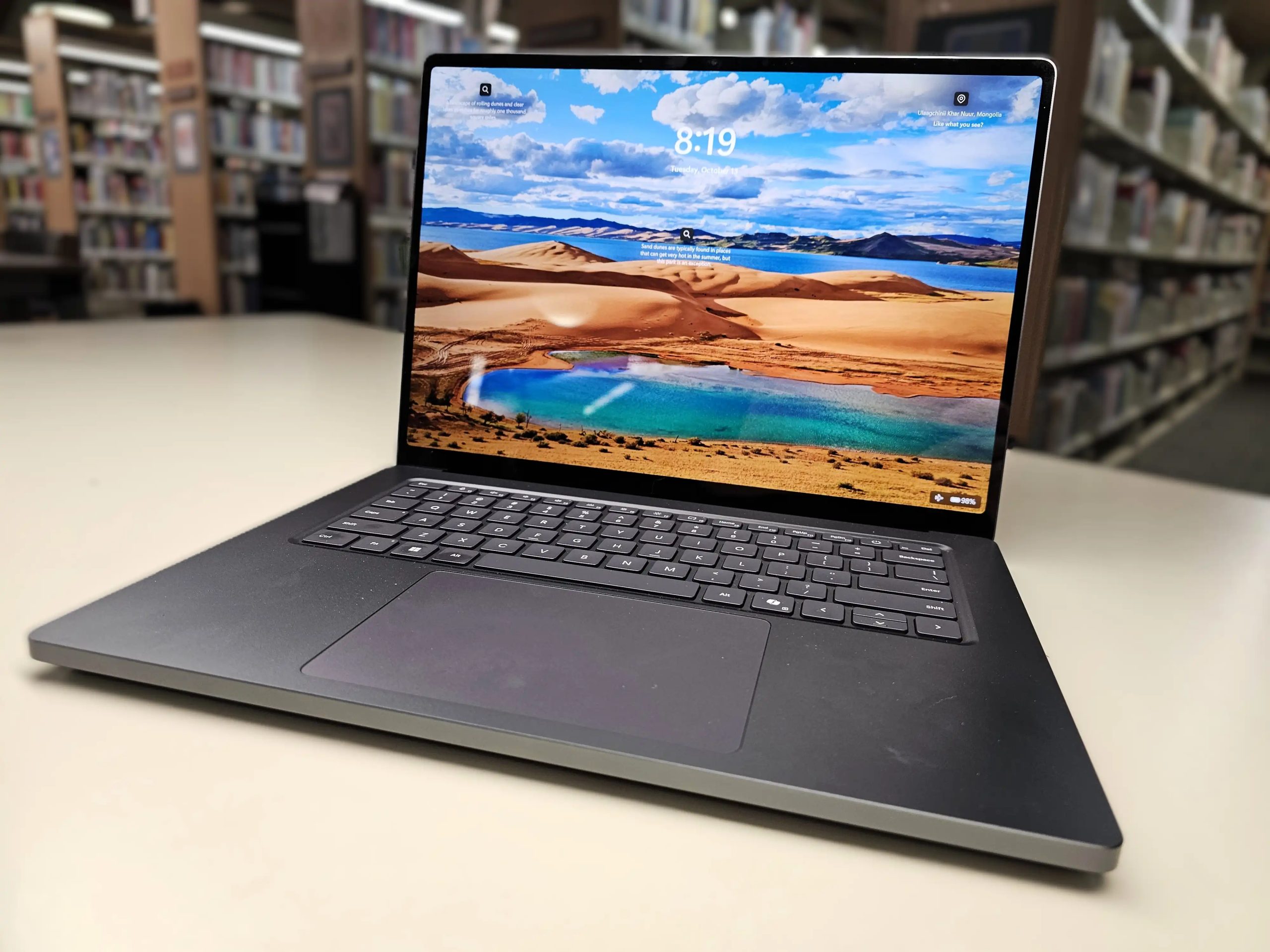

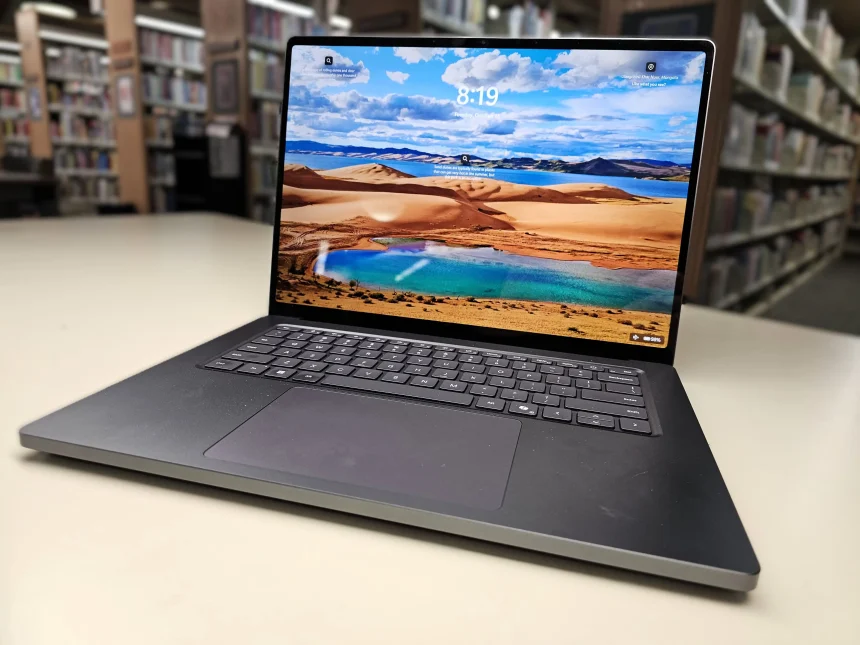
The Microsoft Surface Laptop Ultra: A Premium AI Powerhouse or an Overpriced Experiment?
The landscape of high-end computing has shifted. With the introduction of the Surface Laptop Ultra, Microsoft is attempting to bridge the gap between a standard office workhorse and a dedicated AI-driven workstation. By integrating the proprietary Nvidia RTX Spark architecture, this machine promises to redefine how we handle intensive tasks. However, as we navigate the economic realities of 2026, the question remains: does this device justify its staggering price tag?
Performance and Hardware Capabilities
At the heart of the Surface Laptop Ultra lies the RTX Spark chip, a component that fundamentally changes the device’s performance profile. In our testing, the multicore processing capabilities were nothing short of impressive, handling complex rendering and data-heavy workflows with ease.
The hardware is housed in a chassis that feels virtually indestructible, maintaining the premium, rock-solid build quality that the Surface line is known for. Furthermore, the power efficiency is a standout feature; even under heavy loads, the device manages thermal output and battery consumption better than many of its predecessors. The display is equally stunning, offering color accuracy and brightness levels that cater to creative professionals.
The Trade-offs: Where the Ultra Falls Short
Despite its technical prowess, the Surface Laptop Ultra is not without its flaws. The most glaring issue is the cost. Even the entry-level configuration demands a premium that feels disconnected from current market trends, making it a difficult sell for the average professional.
Additionally, users may notice a discrepancy in performance. While multicore tasks fly, the single-core performance can feel sluggish, occasionally leading to micro-stutters in the user interface that detract from the “premium” experience. We also found the webcam to be surprisingly mediocre-a disappointing oversight for a device marketed toward remote collaboration. Finally, the laptop carries a significant weight, making it less portable than its sleek aesthetic might suggest. While early software bugs were a nuisance, most have been resolved through recent firmware updates.
Is the RTX Spark Era Worth the Investment?
Microsoft is positioning the Surface Laptop Ultra as the vanguard of the “AI-first” computing era. By leveraging the RTX Spark chip, the device excels at local AI processing, which is becoming increasingly vital for developers and data scientists.
However, for the typical user, the value proposition is murky. While the machine is undeniably powerful, the high barrier to entry suggests that this is a niche tool rather than a mass-market laptop. If your workflow relies heavily on AI-accelerated tasks, the investment might pay dividends; if you are looking for a standard productivity machine, the current market offers more balanced alternatives.
Quick Summary
The Good:
* Exceptional multicore performance and RTX Spark graphics.
* Durable, high-end chassis construction.
* Impressive power management and efficiency.
* Vibrant, high-resolution display.
The Bad:
* Prohibitive pricing across all configurations.
* Underwhelming webcam quality.
* Occasional UI lag due to lackluster single-core speeds.
* Heavier than comparable ultrabooks.