




Regional Censorship Concerns Surface in Marvel’s Wolverine
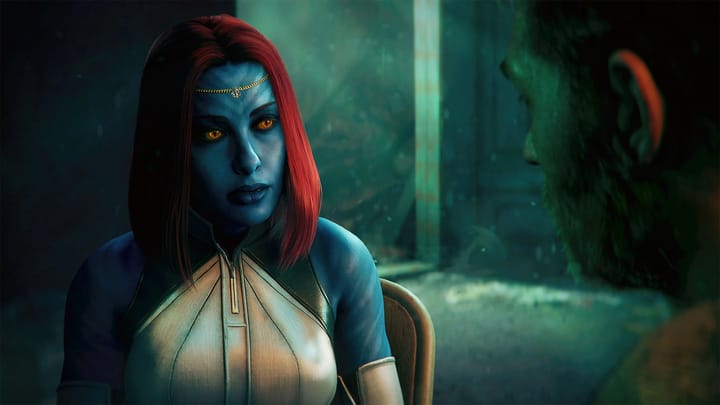
Recent developments surrounding the highly anticipated Marvel’s Wolverine, developed by Insomniac Games and published by Sony Interactive Entertainment, have sparked a significant conversation regarding the localization of LGBTQ+ narratives. Players across various social media platforms, including Reddit and X, have highlighted instances where specific content involving the relationship between two female non-playable characters, Mystique and Tyger, appears to have been intentionally omitted in certain international markets.
Evidence of Altered Narrative Content
The discourse began when community members identified discrepancies in how the game handles the romantic history of these characters. A notable piece of evidence surfaced via a Reddit user identified as Squeakyyy, who documented the specific segments where the narrative has been sanitized. In these regional versions, a photograph depicting the wedding of Mystique and Tyger-found within Mystique’s locker-is obscured by a blur effect. Furthermore, the audio tracks have been surgically edited; whenever the characters express their marital bond or affection, the dialogue is silenced. To maintain the flow of the game, the corresponding subtitles have been replaced with asterisks, effectively scrubbing the explicit mention of their relationship.
The Global Landscape of Game Localization
This situation highlights the ongoing challenges developers face when navigating diverse global regulatory environments. While many modern titles strive for inclusive storytelling, companies often face pressure to comply with local censorship laws to ensure their products remain available in specific territories. For instance, the Middle Eastern market has historically maintained strict guidelines regarding the depiction of LGBTQ+ themes in media, often leading to localized edits or, in some cases, total bans of major entertainment releases.
According to recent industry data, the global gaming market is increasingly fragmented by regional content standards. While some developers choose to release a singular, global version of their game, others opt for regional variations to satisfy local distribution requirements. This practice, while commercially pragmatic, often leads to debates regarding artistic integrity and the representation of diverse identities in digital spaces.
As of now, neither Insomniac Games nor Sony Interactive Entertainment has issued a formal statement regarding the specific criteria used for these regional edits. The situation remains a focal point for fans and critics alike, who continue to monitor how major studios balance creative vision with the complexities of international distribution.