




## Samsung Secures Massive Multi-Year Memory Supply Contracts Amidst Industry Scarcity
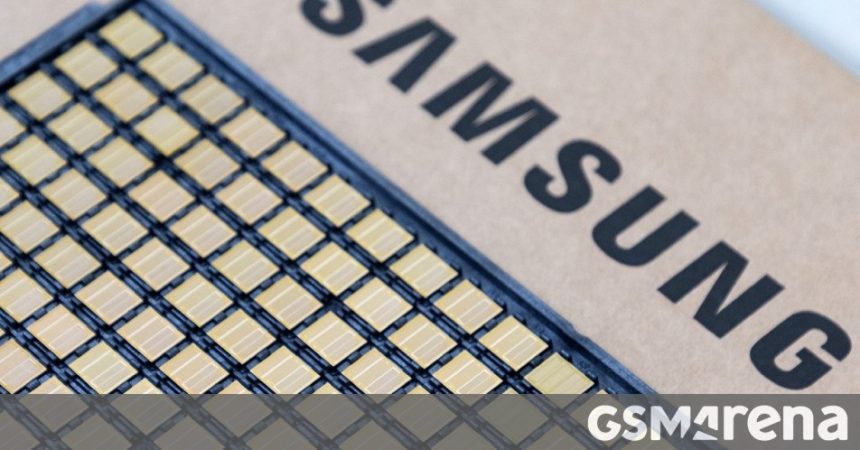
Samsung Electronics has finalized a series of strategic, five-year agreements that effectively lock in the majority of its memory production capacity for major international technology corporations. According to a recent report from *Yonhap News*, the tech giant has already pre-sold 70% of its general-purpose DRAM output and an unprecedented 100% of its high-bandwidth memory (HBM) production scheduled for the upcoming year.
This aggressive contracting strategy has left the remaining 30% of DRAM supply subject to intense bidding wars among smaller firms and secondary market players, highlighting the extreme supply-demand imbalance currently gripping the semiconductor sector.
### The Economic Impact of the Memory Crunch
The scarcity of these critical components is driving significant market volatility. Industry analysts project that HBM pricing could surge by as much as 150% to 200% in the coming year, fueled by the insatiable demand for AI-accelerated computing. Furthermore, standard DRAM modules are anticipated to experience a double-digit price hike by the first quarter of 2027.
For Samsung’s Device Solutions (DS) division, this environment has been a catalyst for record-breaking financial performance. By capitalizing on the global memory shortage, the company has successfully maximized its margins on high-end silicon.
### Implications for Future Galaxy Devices
While the DS division celebrates these fiscal gains, the outlook for consumers and Samsung’s internal Mobile Experience (MX) division is more complex. Because the MX team must now compete directly with external “big tech” clients to secure the DRAM necessary for their own hardware, the internal supply chain is under immense pressure.
This shift suggests that the cost of production for upcoming flagship hardware, such as the anticipated Galaxy S27 series, will rise significantly. As manufacturers face higher bill-of-materials (BOM) costs, these expenses are typically passed down to the end-user. Consequently, customers should prepare for potential price increases across Samsung’s next generation of mobile devices as the company navigates this constrained supply landscape.