



Redefining the Commute: Why Xiaomi’s HyperOS 1.18 Prioritizes Etiquette Over Ego
There is a distinct, frustrating irony in piloting an electric vehicle capable of leaving high-end supercars in the dust, only to spend 80% of your week crawling behind a delivery truck in bumper-to-bumper traffic. While automotive enthusiasts and manufacturers remain fixated on Nürburgring records, sub-three-second acceleration, and precision handling on winding mountain roads, the reality for the average driver is far more mundane: a sea of red brake lights and endless gridlock.
This is precisely why the recent rollout of Xiaomi Auto’s HyperOS 1.18 is a breath of fresh air. Rather than chasing the elusive dream of a fully autonomous “nap pod” or attempting to push the boundaries of mechanical physics, Xiaomi has pivoted toward a more pragmatic goal: mastering the social graces of driving.
### Beyond the Autonomy Hype
For years, Silicon Valley and major automotive players have insisted that Level 5 full autonomy is just around the corner. Yet, despite billions in R&D, we are still waiting for a system that can navigate a chaotic urban intersection with the confidence of a human driver.
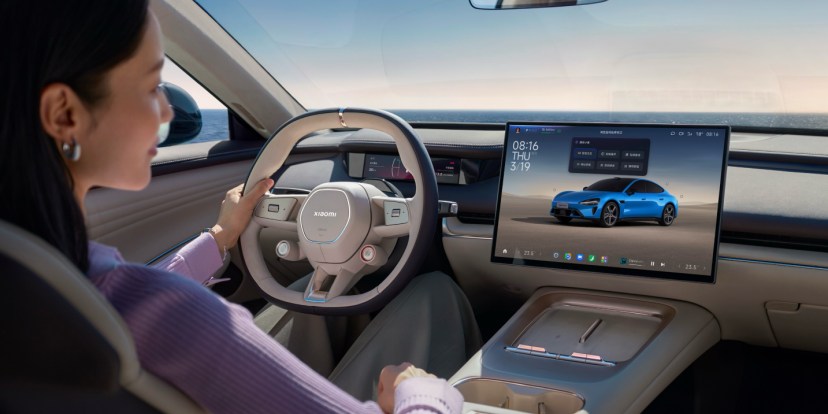
Xiaomi’s approach with HyperOS 1.18 is refreshingly grounded. Instead of promising a future where the car does everything, the update focuses on refining how the SU7 and the upcoming YU7 interact with the flow of traffic. It treats the vehicle not as a race car, but as a polite participant in a shared space.
### The “Good Manners” Philosophy
In dense traffic, the most annoying drivers are those who aggressively cut lanes or slam on their brakes, creating a ripple effect of congestion. HyperOS 1.18 introduces a more fluid, human-like approach to traffic management. By optimizing acceleration curves and braking sensitivity, the software aims to reduce the “stop-and-go” jerkiness that plagues many EVs.
Think of it like a seasoned commuter who knows how to merge seamlessly without forcing others to tap their brakes. By smoothing out these transitions, Xiaomi isn’t just making the ride more comfortable; they are actively reducing the stress levels of the driver. In a world where traffic congestion is estimated to cost the average urban driver over 50 hours of lost time annually, a system that makes that time less taxing is a significant upgrade.
### Why This Matters for the Future of EVs
The industry has reached a point of diminishing returns regarding raw power. With most modern EVs offering more torque than the average driver can safely utilize, the next frontier isn’t speed-it’s intelligence and empathy. Xiaomi’s focus on “driving manners” suggests that the next generation of vehicle software will be judged not by how fast it can go, but by how well it integrates into the complex, unpredictable environment of modern city streets.
By prioritizing a relaxed, intuitive driving experience, Xiaomi is positioning its ecosystem to be the preferred choice for the daily commuter who values peace of mind over track-day bragging rights.