




## Legal Challenge Challenges Use of Automated License Plate Readers in Criminal Convictions
A significant legal battle is unfolding in Texas that could redefine how law enforcement utilizes private surveillance technology. Charles Brownlee, a 37-year-old currently serving a 60-year sentence for a string of five armed robberies committed in 2024, is formally appealing his conviction. At the heart of his defense is a constitutional challenge regarding the digital surveillance tactics employed by police to secure his arrest.
### The “Pattern of Life” Surveillance Controversy
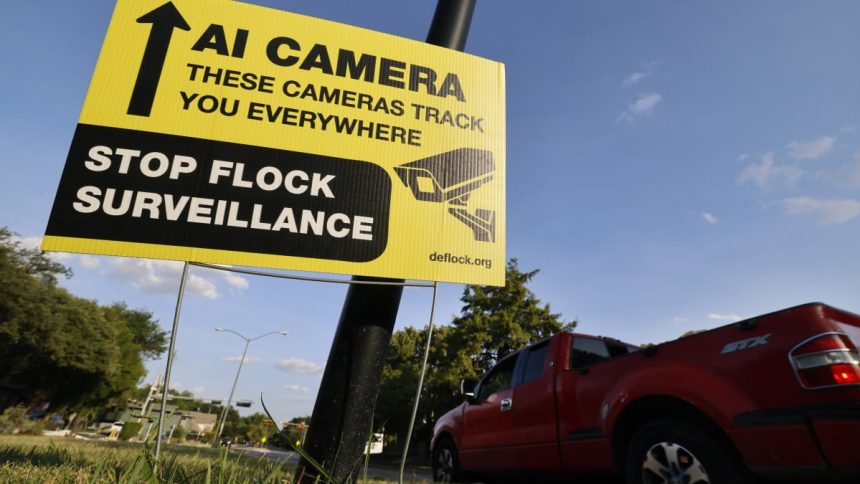
During the investigation, law enforcement agencies throughout the Dallas-Fort Worth metroplex utilized a vast network of Flock Safety cameras to track Brownlee’s vehicle. By aggregating data from these automated license plate readers (ALPRs), investigators constructed what they termed a “pattern of life”-a comprehensive digital map of the defendant’s daily movements and habits.
Brownlee’s defense attorneys argue that this method of tracking constitutes an overreach of police power. They contend that the continuous monitoring of a citizen’s location history via Flock cameras to monitor his vehicle’s movements requires a higher standard of judicial oversight than what was provided in this case.
### Privacy Concerns in the Age of Ubiquitous Monitoring
The core of the appeal rests on the Fourth Amendment. Brownlee’s legal team asserts that the state should have been required to obtain a search warrant before accessing the extensive databases generated by these devices.
The scale of this surveillance infrastructure is immense. With tens of thousands of Flock cameras currently active across Texas, privacy advocates argue that the technology has effectively created a dragnet that tracks innocent civilians alongside suspects. Much like a digital “tail” that never sleeps, these systems allow authorities to retroactively reconstruct a person’s whereabouts over weeks or months without the traditional checks and balances of the warrant process.
### Implications for Future Criminal Justice
This case serves as a bellwether for the intersection of modern technology and civil liberties. As law enforcement agencies increasingly rely on private-public partnerships to bolster their investigative capabilities, the courts are being forced to decide where the line between public safety and individual privacy is drawn. If the appellate court rules in favor of Brownlee, it could mandate that police secure a warrant before tapping into the massive, interconnected web of ALPR data, potentially altering the landscape of criminal investigations nationwide.