


## The Rise of “Vibe Coding”: How AI is Reclaiming Smart TVs from Bloatware
Modern smart TVs have increasingly become vehicles for intrusive advertising and aggressive data harvesting. Frustrated by sluggish interfaces and persistent sponsored content, tech-savvy users are turning to a new, unconventional solution: deploying AI agents to strip away unwanted software. This emerging trend, dubbed “vibe coding,” is fundamentally changing how consumers interact with their living room hardware.
### Automating the De-bloating Process
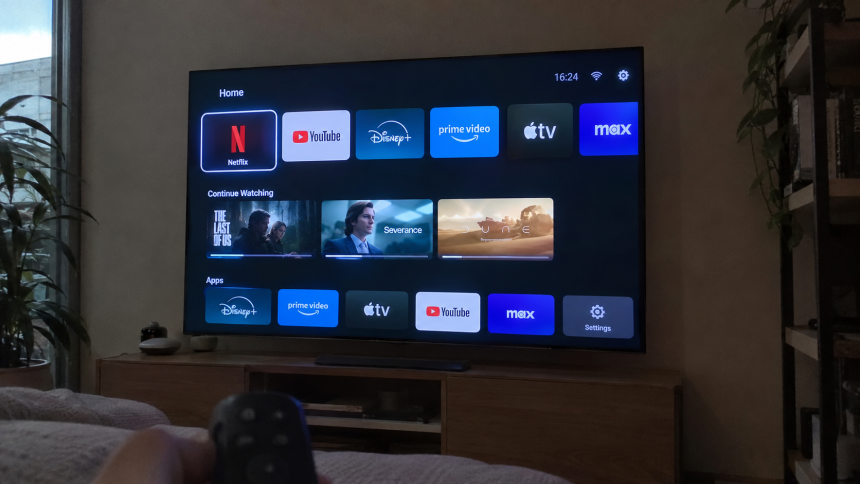
The movement gained significant traction recently when developer Gathin T. shared his success in optimizing his parents’ Xiaomi television. Rather than manually navigating complex Android settings, he utilized Claude Code, an AI-powered development tool. By providing the AI with the specific model number, the agent scanned the local network, identified 25 resource-heavy Xiaomi packages, and disabled them. The result was a streamlined, ad-free experience and a custom-built home screen that prioritized user content over manufacturer promotions.
This approach is not limited to a single brand. The open-source project *cleanyourtv* has rapidly expanded, now offering verified configurations for 107 different TV models across 37 major manufacturers.
### Safety Through Debugging
A common concern with modifying system software is the risk of “bricking” a device. However, these AI-driven tools leverage the Android Debug Bridge (ADB)-a standard protocol for communication between a computer and an Android device.
Crucially, these scripts do not permanently delete system files. Instead, they toggle the status of specific packages to “disabled.” This distinction is vital: because the original software remains on the storage partition, users can run a simple restoration script to revert the TV to its factory state at any time, ensuring the process is entirely reversible.
### The Legal and Ethical Battleground
The pushback against “smart” features is fueled by a growing awareness of how manufacturers monetize user attention. Companies frequently subsidize the hardware cost by embedding tracking software and ad-delivery systems directly into the firmware.
This business model is currently under intense scrutiny. In December 2025, the state of Texas initiated a series of high-profile lawsuits against industry giants, including Sony, Samsung, LG, Hisense, and TCL. These legal challenges argue that the pervasive collection of viewing habits and the forced delivery of advertisements violate consumer privacy expectations and transparency standards.
### Why Consumers Are Taking Control
The “vibe coding” phenomenon is a direct response to the degradation of the user experience. As TVs become more powerful, manufacturers have filled the extra processing overhead with telemetry services and sponsored tiles, often resulting in a laggy interface that frustrates the average viewer. By using AI to prune these background processes, users are not just removing ads-they are reclaiming the performance they paid for.
As AI agents become more capable of interacting with local network devices, we can expect this trend to move beyond TVs and into other “smart” home appliances that suffer from similar bloatware issues.