
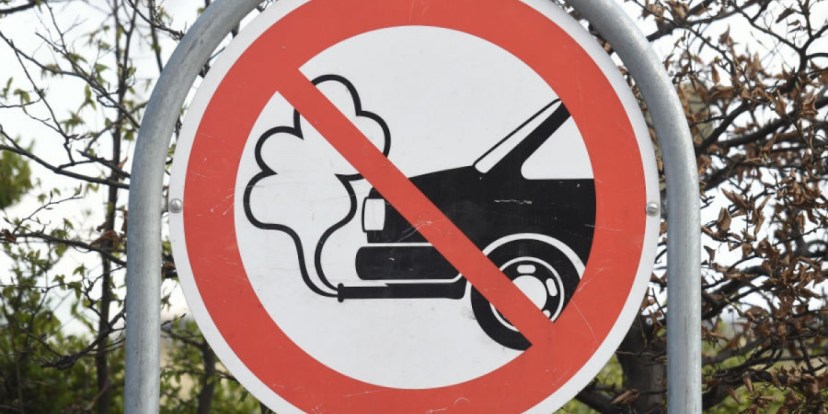




The Shifting Gears of Europe’s 2035 Combustion Engine Mandate
For the past half-decade, walking into a European car dealership has often felt less like a retail transaction and more like a high-pressure seminar. Consumers have been routinely steered away from internal combustion engines (ICE) by sales staff, who frequently frame gasoline and diesel vehicles as relics with a rapidly approaching expiration date.
However, this narrative often clashed with the practical realities of the average motorist. For those living in urban apartments without private charging infrastructure, or for professionals who rely on heavy-duty vehicles for long-haul transit, the aggressive push toward full electrification felt disconnected from their daily requirements. Recognizing this friction, European policymakers are finally recalibrating their approach. After years of rigid mandates, the political establishment in Brussels is responding to stagnant sales data and mounting pressure from automotive manufacturing giants.
A Strategic Pivot in Brussels
The momentum behind the total phase-out of combustion engines is undergoing a significant transformation. A fresh consensus has emerged among the European Parliament’s primary factions, most notably the center-right European People’s Party (EPP). This shift suggests a move away from the “all-or-nothing” approach that previously dominated the legislative agenda.
Why the Policy is Evolving
The decision to soften the 2035 deadline is not merely a political concession; it is a response to a cooling market. Recent data from the European Automobile Manufacturers’ Association (ACEA) highlights that while electric vehicle (EV) adoption is growing, it is not keeping pace with the aggressive targets set by the European Green Deal.
Several factors are driving this reassessment:
* Infrastructure Lag: The deployment of public charging stations remains uneven across the continent, creating “charging deserts” that deter potential buyers.
* Economic Realities: With the average price of a new EV still significantly higher than its combustion counterpart, many middle-class families are being priced out of the transition.
* Industrial Stability: Major automakers have warned that a forced, rapid transition threatens thousands of jobs and the competitiveness of the European automotive sector against global rivals.
The Road Ahead: Pragmatism Over Dogma
By granting legacy automakers more breathing room, the EU is signaling a transition toward a more technology-neutral strategy. This could mean a greater emphasis on synthetic fuels (e-fuels) and hybrid technologies, which offer a bridge for drivers who aren’t yet ready-or able-to make the jump to pure battery-electric vehicles.
While the goal of decarbonization remains, the path to achieving it is becoming more nuanced. Instead of a singular focus on battery power, the future of European mobility is likely to be a hybrid ecosystem that balances environmental targets with the logistical and economic needs of the population.