


The Evolution of Roblox: Capturing the Mature Gaming Demographic
Roblox has officially cemented its status as a titan of the industry, clocking in a staggering 4.05 billion hours of playtime on PC and console platforms during the first half of 2026. This milestone positions it as the most-played title globally by total engagement hours, signaling a significant shift in how players interact with digital ecosystems.
A High-Value Audience Shift
Recent collaborative research from Newzoo and GEEIQ highlights a pivotal trend: Roblox is successfully capturing a more mature, high-spending demographic. Among players aged 16 and older, 80% have made in-game purchases within the last six months. In contrast, only 59% of gamers who do not engage with the Roblox platform reported similar spending habits. This data suggests that the platform is no longer just a playground for children, but a lucrative marketplace for older, more financially active users.
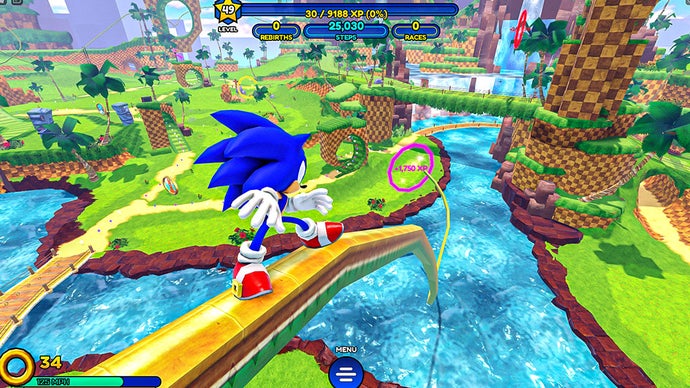
Image credit: Sega/Gameloft/Roblox
Why Older Players Are Staying
Tianyi Gu, a market analyst at Newzoo, notes that this maturing user base behaves differently than the traditional PC and console gaming crowd. The primary driver for this demographic is the integration of entertainment intellectual property (IP). As brands and media franchises continue to build immersive worlds within the platform, they are effectively bridging the gap between passive media consumption and active gameplay.
The Dominance of Live-Service Ecosystems
The scale of the platform remains immense, with GEEIQ reporting an average of 14 million concurrent users navigating through 6.7 million active experiences. Notably, the top 50 experiences account for 7 million of those users, demonstrating a high concentration of engagement.
A deep dive into user behavior since the start of 2026 reveals that the platform’s most successful experiences are not necessarily new releases. Instead, the ecosystem is dominated by established, long-running live-service titles. This mirrors the broader gaming industry, where players tend to stick with “forever games” that offer constant updates and social continuity.
Retention and Competitive Landscape
When users do eventually move on from Roblox, they rarely abandon the live-service model entirely. The report indicates that lapsed players typically migrate to other major industry pillars, such as Fortnite or Minecraft. For traditional game publishers, this underscores a critical reality: Roblox is not just a competitor for time-it is a primary training ground for the modern live-service player who values long-term community and evolving content over one-off, static experiences.