


Top-Rated Heart Rate Monitors for Precision and Comfort
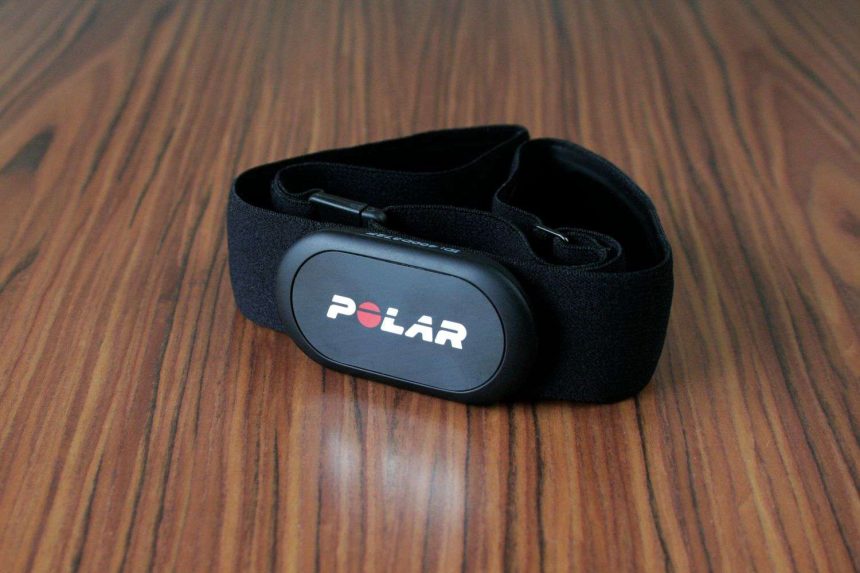
Tracking your cardiovascular performance has evolved significantly, moving beyond basic chest straps to sophisticated wearables that offer medical-grade accuracy without sacrificing comfort. Whether you are a professional athlete or a fitness enthusiast looking to optimize your training zones, selecting the right device is essential for data-driven progress.
Why Accuracy Matters in Wearable Tech
Modern heart rate monitors utilize advanced photoplethysmography (PPG) sensors to track blood flow through the skin. While older models often struggled with motion artifacts during high-intensity interval training (HIIT), current industry leaders have integrated multi-path sensors that maintain signal integrity even during vigorous movement. According to recent data from the American College of Sports Medicine, consistent heart rate monitoring can improve training efficiency by up to 20% by ensuring users stay within their target aerobic zones.
Key Features to Consider Before You Buy
When evaluating the current market, prioritize devices that balance form and function. Consider these critical factors:
* Ergonomic Design: Look for lightweight, hypoallergenic materials that prevent skin irritation during long-duration wear.
* Battery Longevity: High-end monitors now offer extended battery life, with many models lasting over a week on a single charge, reducing the need for constant maintenance.
* Connectivity Ecosystem: Ensure your device syncs seamlessly with popular fitness platforms like Strava, TrainingPeaks, or Apple Health to keep your data centralized.
* Water Resistance: For swimmers or those training in inclement weather, an IP68 rating or higher is non-negotiable for durability.
Optimizing Your Training with Real-Time Data
Think of your heart rate monitor as a dashboard for your body. Just as a car’s tachometer prevents the engine from redlining, a heart rate monitor prevents overtraining while ensuring you aren’t under-exerting yourself. By analyzing your resting heart rate (RHR) trends over time, you can also gain insights into your recovery status; a sudden spike in RHR often serves as an early warning sign of fatigue or impending illness.
Selecting the Right Device for Your Lifestyle
The “best” monitor is subjective and depends entirely on your specific goals. For instance, a marathon runner might prioritize GPS integration and lightweight construction, whereas a weightlifter might prefer a bicep-mounted band that doesn’t interfere with wrist mobility during heavy lifts.
Our expert-approved picks are accurate and comfortable to wear » More Info >>>