


Engineering the Future of K9 Units: The Warhound Initiative
Military working dogs operate in high-stakes environments that most humans would avoid, serving as critical assets in defense and public safety. Given their indispensable role, the push to enhance the health, longevity, and performance of these animals is a logical evolution in defense technology.
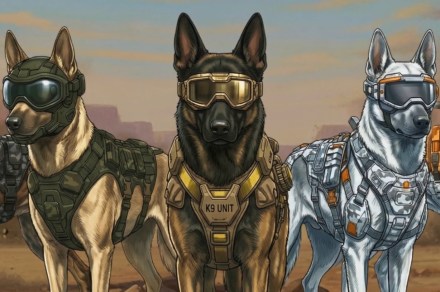
Enter Warhound, a bold new venture emerging from stealth mode with a massive $200 million in funding. Founded by industry heavyweights Ben Lamm-co-founder of Colossal Biosciences-and Palmer Luckey of Anduril, the company aims to revolutionize the K9 sector by utilizing advanced gene-editing and cloning techniques. Their mission is to provide superior, genetically optimized working dogs to U.S. military branches, law enforcement agencies, and emergency response teams (as reported by TechCrunch).
Addressing the K9 Supply Chain Crisis
The primary driver behind Warhound’s inception is a significant logistical bottleneck. Currently, the U.S. military faces a heavy reliance on international markets, with approximately 80% of its working dogs sourced from Europe. This dependency creates a fragile supply chain that is vulnerable to geopolitical shifts and fluctuating availability.
Beyond the procurement issue, there is a staggering attrition rate. Data suggests that over 50% of dogs selected for training programs fail to graduate. A major contributor to this high “washout” rate is the prevalence of hereditary health conditions, such as hip dysplasia, which can prematurely end a dog’s career or prevent them from ever entering service.
The Vision for Genetically Enhanced Canines
Ben Lamm has publicly championed the potential for this technology to address long-standing systemic failures in K9 programs. By leveraging the expertise behind Colossal Biosciences, Warhound intends to mitigate these inherited health risks at the genetic level.
The goal is twofold:
* Operational Efficiency: Reducing the washout rate by ensuring that every dog bred for service possesses the physical and temperamental traits required for success.
* Animal Welfare: Improving the overall quality of life for these animals by eliminating common genetic disorders, thereby extending their service years and ensuring they remain healthier for longer.
A really great perspective from a journalist who was actually part of the working dog program on various problems that have existed for decades and how WARHOUND can help solve these problems while also helping the animal health aspects of the programs while ensuring less dogs… https://t.co/vUhscciGA6
– Ben Lamm (@BenLamm) October 23, 2026
Integrating Advanced Tech with Biological Assets
While the concept of “engineered” war dogs may sound like science fiction, the integration of Anduril’s defense-tech ecosystem suggests a future where biological assets are paired with cutting-edge hardware. By combining superior breeding with advanced gear, Warhound aims to create a new standard for K9 units.
However, the project remains in its early stages, and the scientific community is watching closely. While the promise of healthier, more capable dogs is compelling, the ethical and practical implications of cloning and gene-editing in a military context will undoubtedly spark significant debate as the company moves from the laboratory to the field.