


Updated: Oct 24, 2026 6:36pm UTC
A Massive Financial Leap for A24
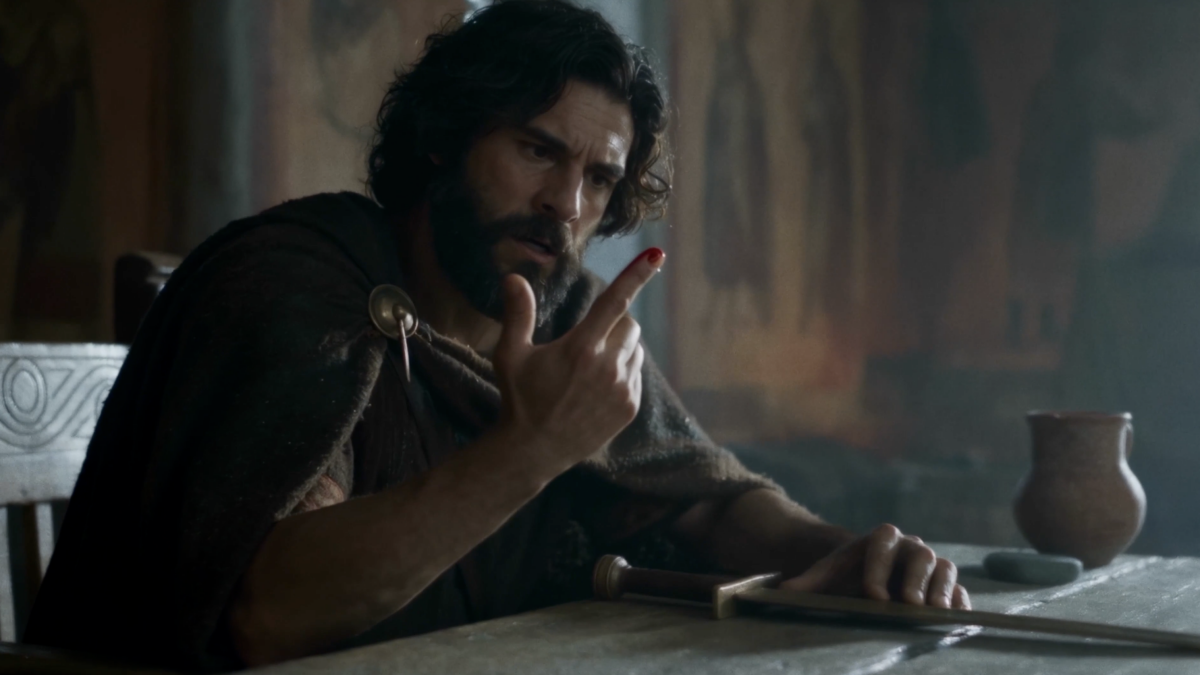
A24, the studio long celebrated for its lean, high-concept indie hits, appears to be pivoting toward a new era of blockbuster filmmaking. Recent reports indicate that the highly anticipated Elden Ring movie, helmed by visionary director Alex Garland, is slated to receive a staggering production budget of nearly $200 million. This figure represents a seismic shift for the studio, effectively shattering its previous internal records for capital investment.
Contextualizing the Investment
The details regarding this ambitious live-action adaptation-based on the critically acclaimed 2022 RPG created by FromSoftware and George R.R. Martin-emerged via a recent Wall Street Journal feature. If these financial projections hold true, the project will place A24 in direct competition with major studio tentpoles.
To put this $200 million price tag into perspective, it aligns the production with the financial scale of massive franchise entries. For comparison, the blockbuster Spider-Man: No Way Home carried a production budget of approximately $200 million (as noted by Variety), while the recent Jurassic World Rebirth was produced for roughly $180 million, according to The Hollywood Reporter.
Breaking the Studio Mold
For over a decade, A24 has cultivated a brand identity centered on creative risk-taking and fiscal discipline. However, the Elden Ring project signals that the company is no longer content with mid-budget storytelling. This departure from tradition is stark when compared to the studio’s previous record-holder, 2025’s Marty Supreme. Directed by Josh Safdie and starring Timothée Chalamet, that film was widely publicized for its $70 million budget-a figure that was considered a massive outlier for the studio at the time, as reported by Deadline.
By nearly tripling the investment of its most expensive prior production, A24 is signaling a bold, high-stakes future. Whether this transition into the realm of $200 million epics will maintain the studio’s signature artistic integrity remains the central question for fans and industry analysts alike.