




GameMaker Unveils Major Shift: GMRT to Become Free for Commercial Projects by 2027
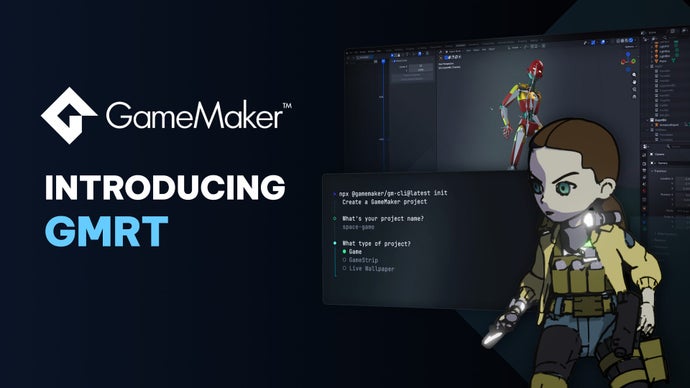
The landscape for independent game development is set for a significant transformation. GameMaker, the engine renowned for its prowess in 2D game creation, has announced that its next-generation runtime (GMRT) will be available for commercial use at no cost starting January 1, 2027. This strategic pivot aims to lower the barrier to entry for creators worldwide, fostering a more inclusive environment for developers of all skill levels.

Democratizing Game Development with GMRT
Beginning in 2027, the GMRT will allow developers to build and publish titles across a wide array of platforms-including mobile, web, desktop, and the GX Games ecosystem-without the requirement of a paid professional license. Russell Kay, the head of GameMaker, highlighted the company’s commitment to this evolution, noting, “As GMRT continues to roll out in beta across platforms, we are widening the scope of what we provide to developers.”
This move is a direct response to the growing demand for accessible game development tools. By removing the financial hurdle of licensing fees for the runtime, GameMaker is positioning itself to support a broader wave of indie talent. According to recent industry data, the indie game market has seen a compound annual growth rate (CAGR) of over 10% in recent years, and initiatives like this are designed to sustain that momentum by allowing creators to focus their limited budgets on assets, marketing, and talent rather than software overhead.
Licensing and Source Code Accessibility
Under the new model, GameMaker is simplifying its structure. The company has confirmed that while the licensing model is being streamlined, existing tier pricing will remain unchanged. A key highlight of this update is the inclusion of source code access across all tiers, ensuring that developers have greater transparency and control over their projects.
For those currently utilizing the GMS2 runtime, the transition remains flexible. Professional license holders will retain the ability to distribute their games commercially using the existing GMS2 runtime, with the added advantage of gaining access to its source code. This ensures that developers currently mid-production are not forced to migrate their projects unless they choose to do so.
Important Considerations for Console Deployment
While the democratization of the GMRT is a major step forward, it is important to note that console development remains a specialized tier. GameMaker has clarified that the requirements for console exports remain consistent: developers must still hold an enterprise license and maintain status as an approved developer for the respective console platforms (such as PlayStation, Xbox, or Nintendo Switch). This distinction ensures that the engine remains compliant with the rigorous security and performance standards required by console manufacturers.
This announcement serves as the latest milestone in GameMaker’s ongoing mission to empower the indie community. Following earlier updates regarding source code access, this decision reflects a long-term strategy to ensure that the tools required for high-quality 2D game development are available to anyone with a vision, regardless of their initial capital.