




Understanding Ferritin: The Vital Iron Reserve Your Body Needs
Receiving a diagnosis of iron deficiency often leads patients down a rabbit hole of medical terminology. Among the most common terms you will encounter is ferritin. While frequently grouped with general iron levels, these two metrics serve distinct purposes. As integrative nutritionist and psychologist Karishma Shah explains, it is crucial to distinguish between the iron circulating in your blood and the iron your body keeps in reserve.
The “Savings Account” Analogy for Iron Storage
To better grasp the role of ferritin, consider the perspective of Amy Shapiro, RD, founder of Real Nutrition. She suggests viewing ferritin as your body’s “iron savings account.” While serum iron represents the cash you have in your wallet for daily spending, ferritin represents the funds tucked away for a rainy day.
Monitoring these reserves is vital because ferritin levels often plummet well before a patient develops clinical anemia. According to recent health data, iron deficiency remains the most common nutritional deficiency globally, affecting over 25% of the world’s population. Because ferritin acts as an early warning system, you might experience symptoms like persistent brain fog, chronic fatigue, sensitivity to cold temperatures, or unexplained hair loss, even if your standard hemoglobin tests return results within the “normal” range.
Optimizing Your Levels Through Nutrition
If your blood work indicates that your “savings account” is depleted, the most sustainable approach to recovery is through your diet. Rather than focusing on restrictive eating, the strategy should be centered on strategic consumption.
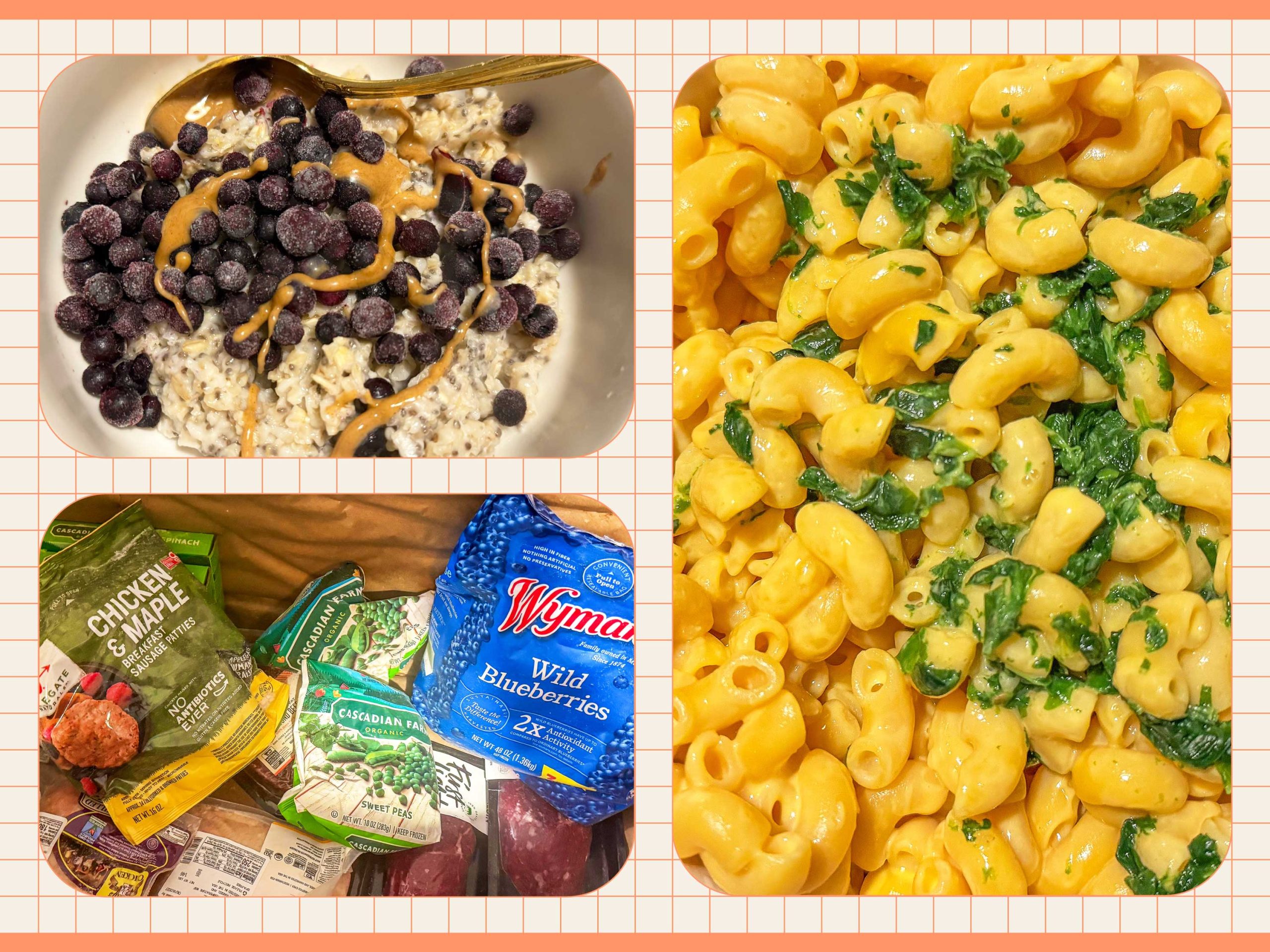
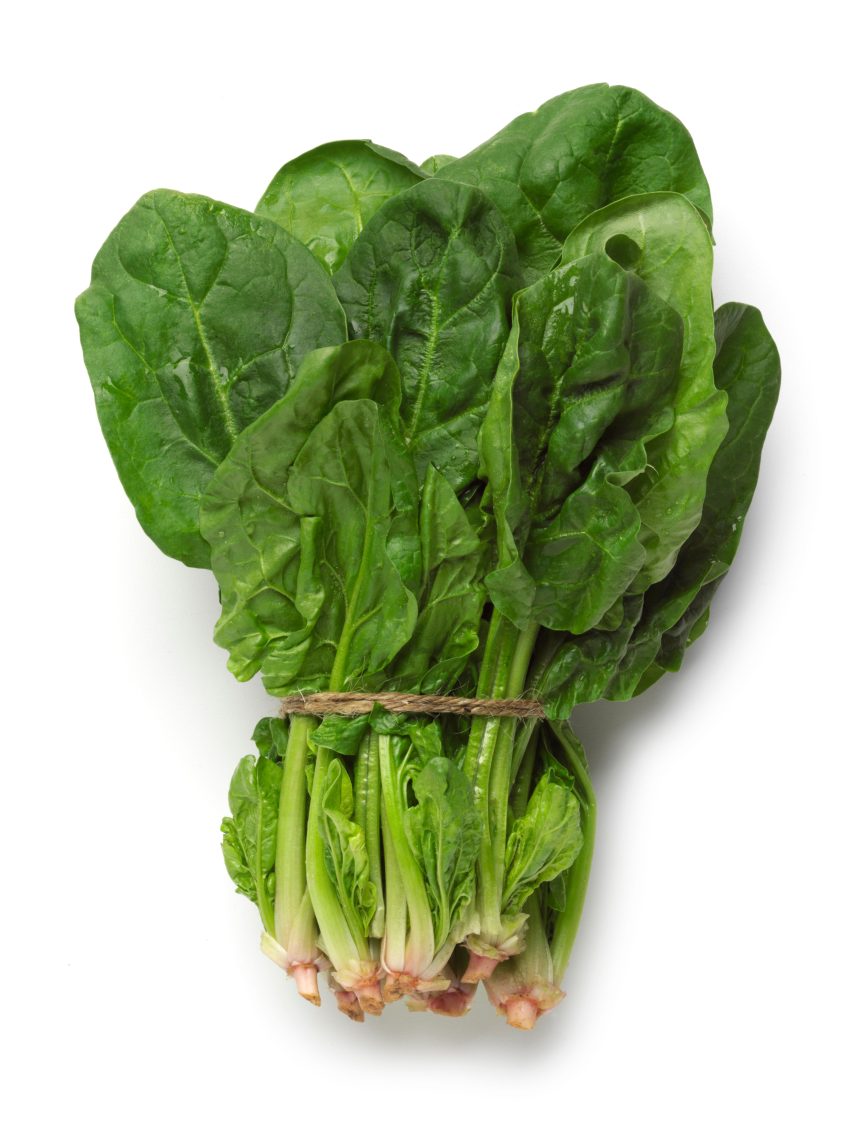
- Prioritize Nutrient Density: Incorporating iron-rich foods-such as lean red meats, legumes, pumpkin seeds, and dark leafy greens-is the most effective way to replenish your ferritin stores.
- Master the Timing: It is less about eliminating specific foods and more about optimizing absorption. For instance, pairing iron-rich plant sources with Vitamin C-rich foods (like bell peppers or citrus) can significantly boost absorption, while consuming calcium-heavy foods or tannins (found in coffee and tea) simultaneously with iron-rich meals can hinder the process.