




The Hidden Dangers of Overstuffed Overhead Bins
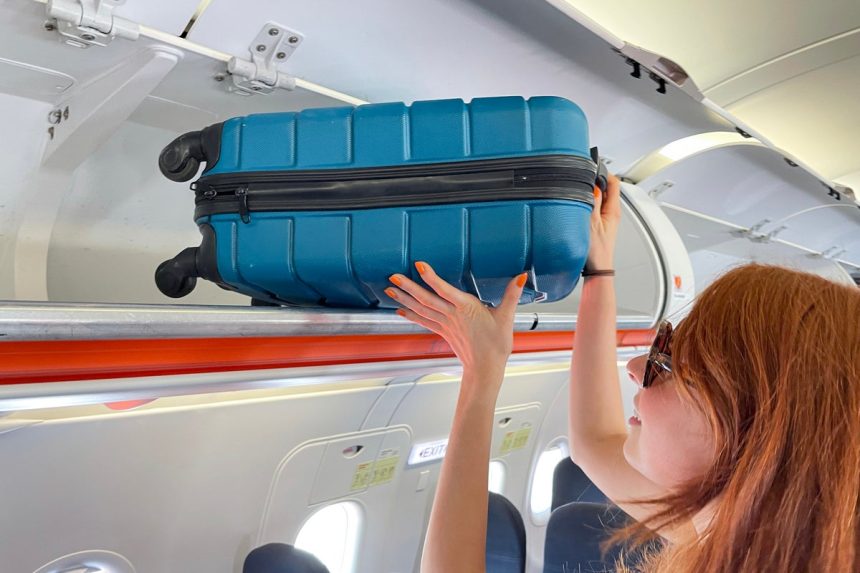
We have all experienced that frustrating moment: you arrive at the gate with time to spare, board the aircraft efficiently, and head to your row, only to find the overhead compartments completely jammed. This common scenario is more than just a minor inconvenience; it is a significant operational bottleneck. When cabin crew are forced to scramble to reorganize luggage or gate-check bags at the last minute, flight departures are inevitably delayed.
From the perspective of aviation safety, the trend toward stricter carry-on regulations is a positive development. As a former pilot who transitioned into aviation safety research, I have seen firsthand how excessive cabin baggage poses genuine risks, ranging from obstructed emergency exits to the potential for heavy items to shift during turbulence.
Why Baggage Policies Lack Global Consistency
Travelers often wonder why baggage allowances seem to change every time they switch airlines. The lack of a universal standard stems from varying aircraft configurations, fleet sizes, and the specific business models of individual carriers. Low-cost carriers, for instance, often use baggage fees as a core revenue stream, while full-service airlines may prioritize passenger throughput and speed of boarding.
Evolving Regulations: A Global Shift
The landscape of carry-on restrictions is currently undergoing a major transformation. Airlines are increasingly tightening their policies to ensure faster boarding times and improved safety compliance.
* Virgin Australia’s Updated Domestic Policy: As of February 2, 2026, Virgin Australia implemented a revised framework for domestic travel. Economy class passengers are now permitted one standard cabin bag (maximum 8kg) intended for the overhead locker, supplemented by a smaller personal item that must be stowed beneath the seat in front.
* International Trends: This tightening of rules is not limited to Australia. Major global carriers are following suit to manage cabin congestion. For example, Air Canada previously overhauled its basic fare structure, limiting passengers to a single personal item for flights throughout North and Central America, effectively eliminating the overhead bin privilege for those travelers.
The Impact on Modern Air Travel
These shifts reflect a broader industry effort to mitigate the “gate-check” chaos. By standardizing what can be brought into the cabin, airlines aim to reduce the time spent on the tarmac. According to recent industry data, reducing the volume of carry-on luggage can shave several minutes off the boarding process, which is critical for maintaining on-time performance in a high-traffic aviation environment. As these policies continue to evolve, passengers should prioritize packing light to avoid unexpected fees and ensure a smoother journey for everyone on board.