





Standardizing Volumetric Multitasking: The Role of OpenXR Spatial Containers
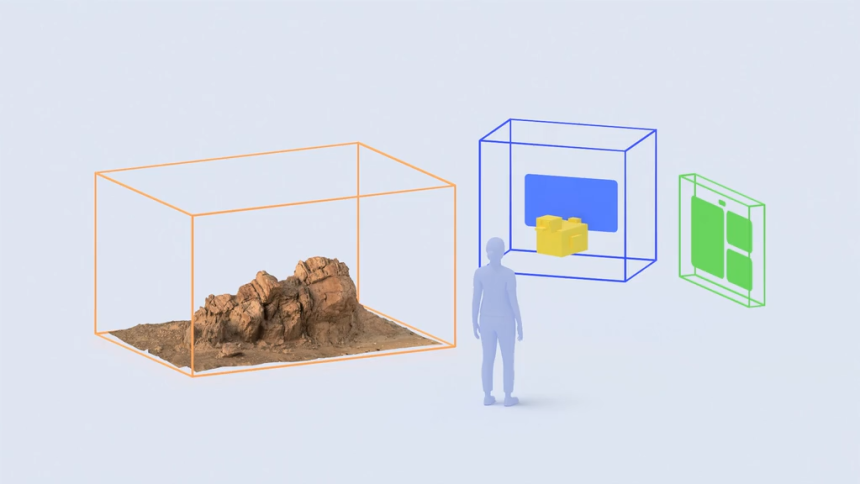
The Khronos Group has officially introduced the OpenXR Spatial Container extensions, a significant advancement designed to bring order to the way 3D volumetric content is managed within mixed reality environments. Much like how a modern operating system utilizes windows to organize 2D applications on a desktop, these new extensions provide a standardized framework for system-managed spaces, allowing 3D content to exist in a structured, predictable manner.
The Evolution of the OpenXR Ecosystem
At its core, OpenXR serves as the industry-standard API for developing applications across the spectrum of Augmented, Virtual, and Mixed Reality. Overseen by the Khronos Group-the same non-profit consortium responsible for foundational graphics standards like Vulkan, OpenGL, and WebGL-OpenXR aims to eliminate the fragmentation that has historically plagued the XR industry.
The primary objective of this standard is to ensure “write once, run anywhere” compatibility. By utilizing OpenXR, developers can bypass the need to rewrite code for specific hardware-vendor APIs. Today, the vast majority of XR hardware, game engines, and runtime environments have adopted this standard, with notable exceptions including Sony’s PlayStation VR2 and Apple’s Vision Pro ecosystem.
Bridging the Gap Between Immersion and Utility
The introduction of Spatial Containers marks a shift in how we perceive XR software. Previously, developers often had to choose between creating fully immersive, “all-encompassing” experiences or limited, static interfaces.
Spatial Containers effectively dissolve this binary. By allowing applications to exist within defined, system-managed boundaries, developers can now create software that fluidly transitions between a multitasking mode-where multiple apps share the user’s field of view-and a fully immersive, dedicated space. This is comparable to how a user might toggle a video player from a small, floating picture-in-picture window to a full-screen cinematic experience, providing a more intuitive and flexible user interface for the next generation of spatial computing.