



The Digital Nostalgia Movement: Why Firefox is Betting on the Early Internet
Are you exhausted by web browsers that treat your personal data as a commodity and clutter your workspace with forced AI integrations? You are certainly not the only one feeling this digital fatigue. A growing movement of users is seeking a return to a more private, user-centric browsing experience, and they are finding an unlikely ally in the form of internet icons from a bygone era.
### A Strategic Return to Roots
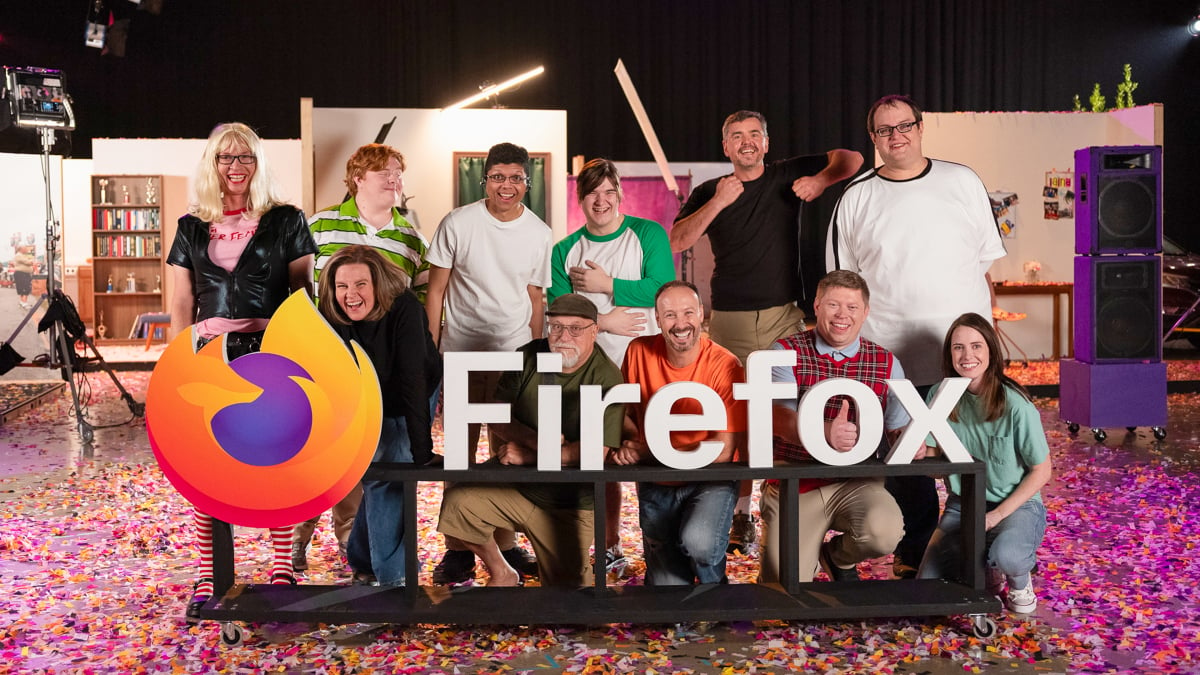
Mozilla, the non-profit entity steering the Firefox browser, has officially kicked off a nostalgic marketing initiative titled “Come Back to Firefox.” The campaign is a direct response to the current landscape of the web, where browsers like Google Chrome have become increasingly bloated with generative AI tools that many users find intrusive.
By tapping into the collective memory of the late 2000s and early 2010s, Mozilla is attempting to recapture the spirit of a time when Firefox was a dominant force, once holding a significant 32 percent of the global browser market. Today, that market share has dwindled significantly, but Mozilla is betting that the desire for a “cleaner” internet will drive a resurgence.
### Iconic Faces for a Modern Privacy Mission
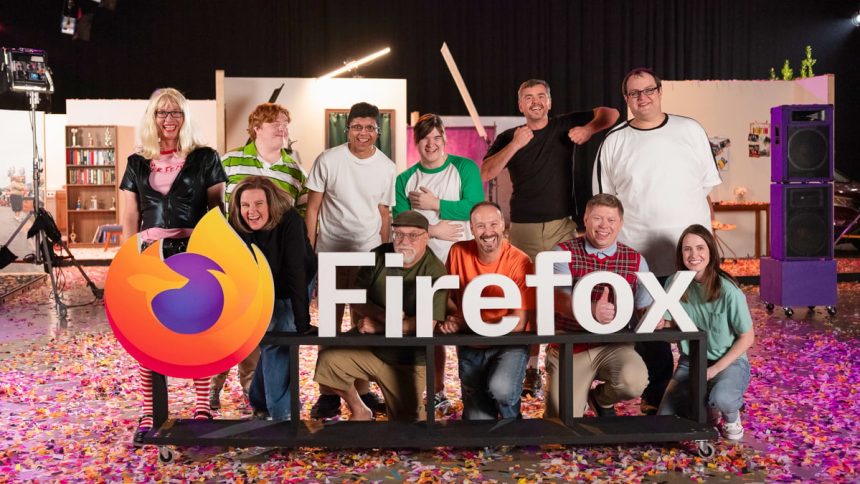
To bridge the gap between the past and the present, the “Come Back to Firefox” campaign features legendary internet personalities who defined the early social web. The campaign video opens with a poignant question from the “Numa Numa Guy,” Gary Brolsma, who asks, “What happened to the internet?”
This rhetorical question serves as the anchor for the entire project. It highlights the stark contrast between the open, decentralized web of the past and the current environment dominated by data-hungry algorithms and automated AI assistants.
### Why the Shift Matters
The push for privacy is more than just a marketing gimmick; it is a response to shifting consumer demands. Recent data suggests that over 80% of internet users are concerned about how their data is tracked across websites. While competitors prioritize AI-driven search and predictive browsing, Firefox is doubling down on its core identity: a browser that respects user autonomy.
By positioning itself as the “anti-tracking” alternative, Mozilla is hoping to remind users that the internet doesn’t have to be a place where your every click is monitored and monetized. Whether this trip down memory lane will be enough to shift the market share remains to be seen, but it is clear that the battle for the future of the browser is officially underway.