





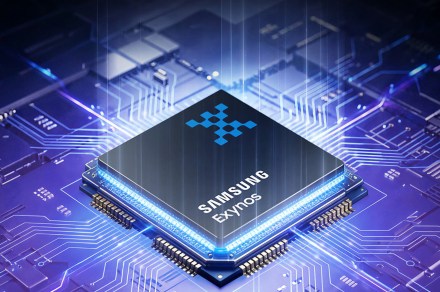
The Exynos 2700: Is Samsung Finally Outpacing Qualcomm?
For years, the narrative surrounding Samsung’s flagship smartphones has been defined by a persistent debate: the performance gap between the global Exynos variants and the US-market Snapdragon chips. However, recent developments suggest that the status quo is shifting. While industry chatter initially focused on potential thermal throttling issues with the upcoming Galaxy S27 flagship, the conversation has pivoted toward raw, unadulterated power.
Despite Qualcomm’s firm denial regarding the alleged overheating of the Snapdragon 8 Elite Extreme 6th Gen, Samsung appears committed to a strategic pivot. Rather than reacting to thermal concerns, the tech giant seems to be betting on its own silicon to reclaim the performance crown.
Benchmarking the Shift: Exynos vs. Snapdragon
Recent data reported by EBN highlights a significant milestone for Samsung’s internal development. During internal stress tests conducted on a Xiaomi 18 Pro Max, the Exynos 2700 demonstrated a clear performance advantage over Qualcomm’s top-tier silicon.
To put these gains into perspective, consider the following benchmark results:
* Geekbench 6.5 (Multi-Core): The Exynos 2700 achieved a score of approximately 13,000, comfortably outpacing the Qualcomm Extreme chip, which hovered around the 11,000 mark. This represents a substantial 20% performance lead.
* Geekbench 7.0: The trend continued in the latest iteration of the benchmark, with Samsung’s proprietary chip maintaining a 15% lead over its rival.
Why This Matters for the Galaxy S27
The implications of these figures are profound. Historically, the “Exynos vs. Snapdragon” narrative has often favored Qualcomm, leaving Samsung users in certain regions feeling as though they received a secondary experience. By potentially integrating the Exynos 2700 into the Samsung Galaxy S27, the company is signaling a move toward vertical integration that prioritizes efficiency and raw speed.
When compared to the standard Xiaomi 18 Pro-which utilizes the entry-level Snapdragon 8 Elite 6th Gen-the performance delta becomes even more pronounced. This suggests that Samsung is not just aiming for parity; they are aiming for dominance. If these internal metrics hold up in real-world usage, the “laggard” reputation that has haunted the Exynos brand for years may finally be laid to rest.