



Warning: This article contains spoilers for “The Simpsons” Season 38, Episode 4, “Treehouse of Horror XXXVII.”
A Long-Standing Speculation Resurfaces in Springfield
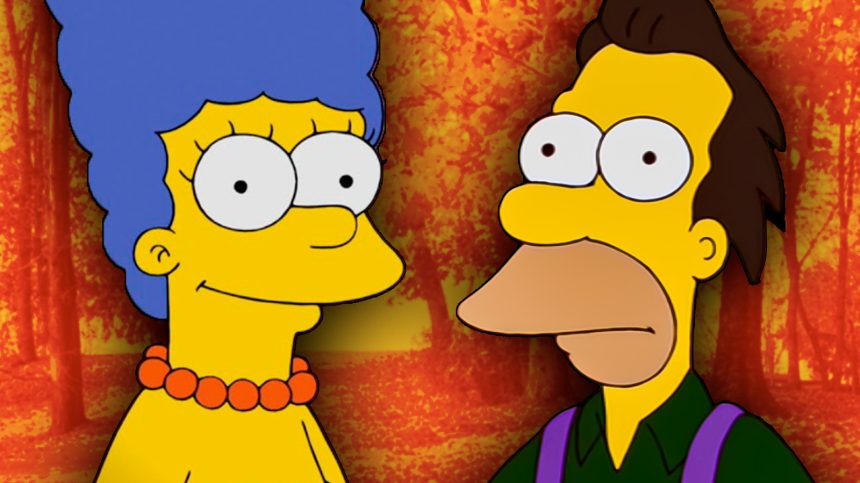
In the landscape of animated television, the union between Homer and Marge Simpson stands as a cultural cornerstone. While the couple has weathered various storms-most notably the highly publicized “Simpsons” separation storyline that captivated audiences ten years ago-their bond remains largely unshakable. Yet, a persistent undercurrent of fan speculation suggests that Marge’s heart might harbor a secret affection for one of her husband’s closest associates: Lenny Leonard.
Tracing the Origins of the Lenny-Marge Connection
The roots of this unconventional theory trace back to the Season 11 installment, “Hello Gutter, Hello Fadder.” In this classic episode, Homer fabricates a story to cover up his absence from a tea party with Maggie, claiming he was delayed by a power plant emergency and a medical crisis involving Lenny. While the lie was intended to be a simple excuse, eagle-eyed viewers have spent decades dissecting the implications of Marge’s reaction and the specific dynamics between the characters.
This theory gained traction because it challenges the status quo of the show’s primary relationship. Much like the “Ross and Rachel” debate in Friends or the “Jim and Pam” dynamic in The Office, fans of long-running sitcoms often look for hidden subtext to keep the narrative fresh. By revisiting this concept in the latest “Treehouse of Horror” special, the writers of The Simpsons have effectively acknowledged the longevity of this fan-driven lore.
Why the Theory Persists in Season 38
With The Simpsons currently in its 38th season, the show has reached a milestone few programs ever achieve. According to recent industry data, the series remains a powerhouse in syndication and streaming, proving that even after 700+ episodes, the audience’s appetite for character-driven mysteries is as strong as ever. By leaning into these “what if” scenarios, the showrunners are rewarding long-term viewers who have been paying attention to the subtle, often bizarre, character interactions that have accumulated over the last three decades.
Whether this is merely a playful nod to internet culture or a genuine shift in the show’s internal mythology, it highlights the unique ability of The Simpsons to remain relevant by constantly reflecting on its own extensive history.