



Navigating the Challenges of Feline Wet Food Diets
Managing a cat’s health often requires dietary adjustments that can turn a pet owner’s daily routine upside down. When my own cat faced a medical emergency a few years back, his recovery necessitated a strict transition to wet food. While this change was essential for his well-being, it introduced a steep learning curve regarding the logistics of feline nutrition.
Unlike shelf-stable dry kibble, wet food demands a high level of vigilance. It is highly perishable, meaning it cannot be left in a bowl for extended periods without risking spoilage or bacterial growth. This reality transformed my schedule; I found myself tethered to the house, meticulously timing my departures and arrivals to ensure my cat received his meals at the correct intervals. Beyond the time commitment, there was the financial impact-wet food is consistently more expensive than dry alternatives-and the constant need to manage a bulky inventory of cans and pouches.
The Search for Automated Solutions
The primary drawback of a wet-food-only diet is the lack of flexibility. For busy professionals or those who travel, the inability to “set and forget” a meal is a significant hurdle. In my search for a solution, I explored the market for automatic wet food dispensers.
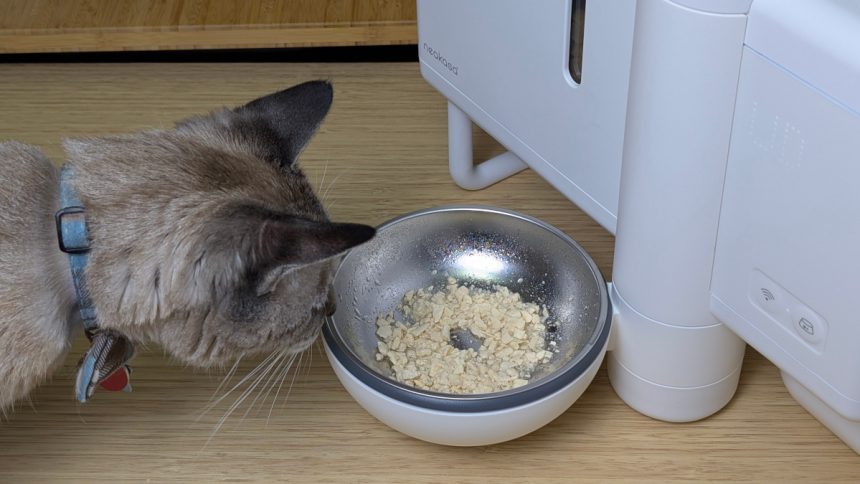
Historically, the technology in this space has been underwhelming. Most available devices rely on rudimentary cooling methods, such as integrated freezer packs, to keep the food palatable and safe. While these gadgets attempt to bridge the gap, they often fall short of the convenience offered by standard dry food feeders, which can hold weeks’ worth of kibble. According to recent industry data, the pet tech market is expanding rapidly, with smart feeders now accounting for a significant portion of pet-related household spending. However, the challenge remains: how do we keep perishable, moisture-rich food fresh for a cat while the owner is away for the day?
Modern Innovations in Pet Care
The industry is finally beginning to address these pain points with more sophisticated hardware. We are moving away from simple ice-pack trays toward integrated cooling systems that maintain a consistent, food-safe temperature throughout the day. For pet parents who prioritize their cat’s hydration and health, these advancements are a game-changer, potentially eliminating the need to rush home for every feeding.