





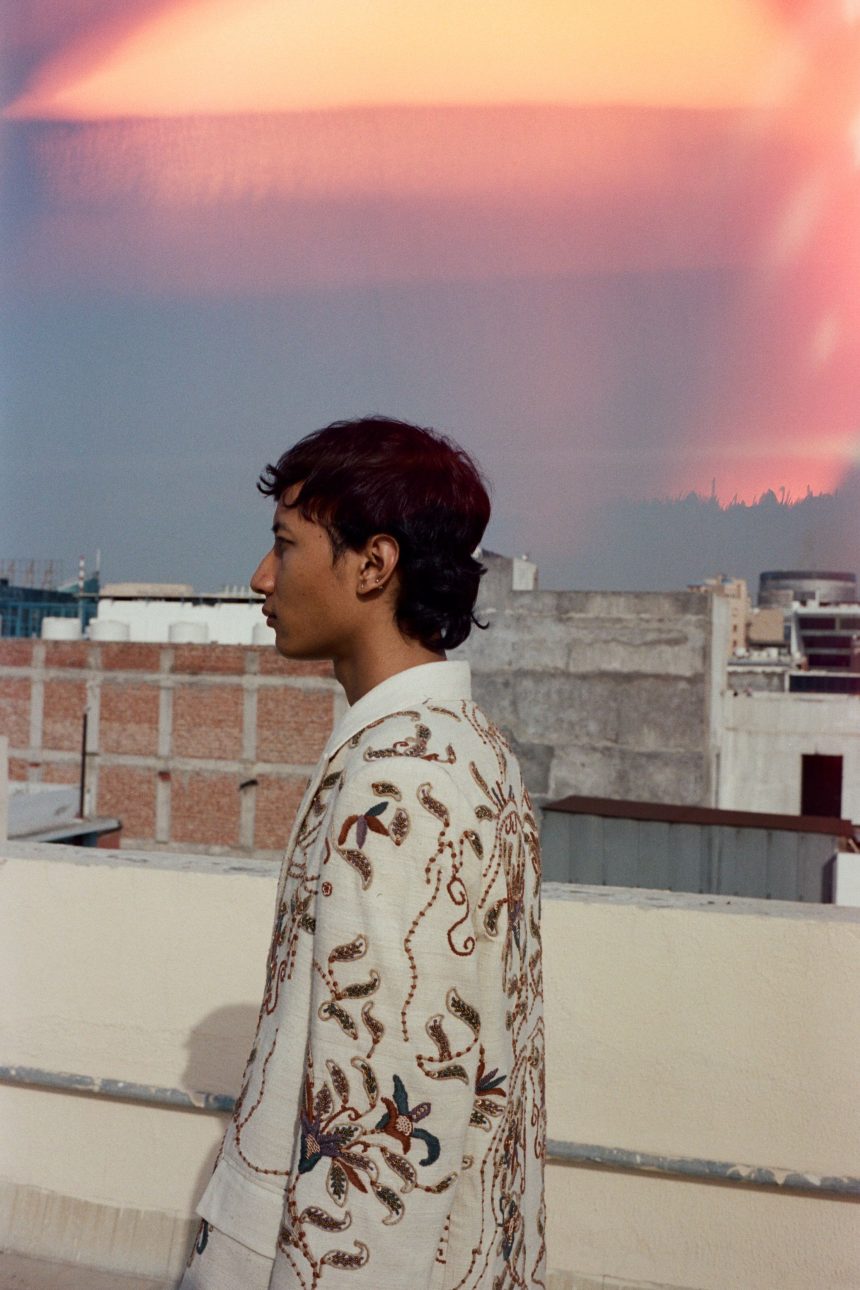
The Rise of Kartik Kumra: Redefining Modern Menswear
At only 26, Kartik Kumra is rapidly emerging as a transformative figure in the global menswear landscape. His journey began half a decade ago in a University of Pennsylvania dormitory, where he first conceptualized his eponymous label. Since those humble beginnings in New Delhi, Kumra has achieved a series of high-profile successes: establishing a flagship boutique in Manhattan’s Lower East Side, seeing his signature neckwear donned by political figures like Zohran Mamdani, and securing the prestigious role of guest designer for the upcoming Pitti Uomo exhibition.
Vertical Integration: Bringing Production Home
While his public accolades continue to mount, Kumra’s most significant strategic move is happening behind the scenes. He is currently finalizing the construction of a dedicated manufacturing facility in India. By consolidating design, production, and operational logistics into a single, centralized hub, Kumra is moving beyond traditional outsourcing.
This shift is about more than just business efficiency; it is a commitment to craftsmanship. By housing his specialized embroidery, dyeing, and artisanal finishing processes under one roof, he gains total oversight of the supply chain. As Kumra notes, this proximity allows him to be “closer to the cloth, closer to the hand, and closer to the decisions that define what a garment becomes.” This level of vertical integration is becoming increasingly vital in an industry where supply chain transparency is now a top priority for 73% of luxury consumers, according to recent sustainability reports.
A New Vision for Global Fashion
During his recent showcase in Paris, Kumra unveiled an ambitious spring collection that drew aesthetic cues from the Golconda Ashram in Pondicherry. The architecture, originally envisioned by modernist icon George Nakashima, served as the blueprint for the collection’s structural silhouettes and earthy palette.
Two major developments defined the presentation. First, the brand signaled a bold pivot toward gender-fluid design with a significant expansion of its womenswear offerings. By blending traditional Indian handcraft with contemporary, minimalist tailoring, Kumra is successfully bridging the gap between heritage techniques and modern, inclusive fashion.